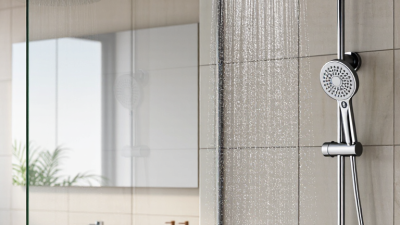
Top S S Shower Head Manufacturers for Global Buyers
For global buyers, choosing an S S Shower Head manufacturer means looking beyond polished finishes and catalog claims. Water performance, material consistency, testing, and reliable production all matter. A showroom sample may feel solid, yet reveal little about long-term quality. Details count.
The U.S. EPA’s WaterSense showerhead specification sets a useful benchmark: certified models use no more than 2.0 gallons per minute, compared with the federal standard maximum of 2.5 gallons per minute, while meeting performance criteria. This is a U.S. benchmark, not a universal purchasing rule. Buyers should check the requirements and test documentation relevant to each destination market. Small differences matter. A spray that feels weak can disappoint users, even when its flow figures look efficient on paper.
This guide compares manufacturers through practical questions: Can they document flow and finish testing? Do they offer clear material specifications, stable production capacity, and responsive quality control? Those checks help buyers assess suppliers more fairly than promotional language alone. One limitation deserves attention: no verifiable, named S S Shower Head industry expert quotation was available in the supplied material. Rather than invent an attribution, this introduction relies on the EPA’s published technical benchmark. That is less colorful, but more trustworthy. The manufacturer profiles that follow can help global buyers identify promising partners and ask sharper questions before requesting samples or quotations.
Understanding Stainless Steel Shower Heads and Their Uses
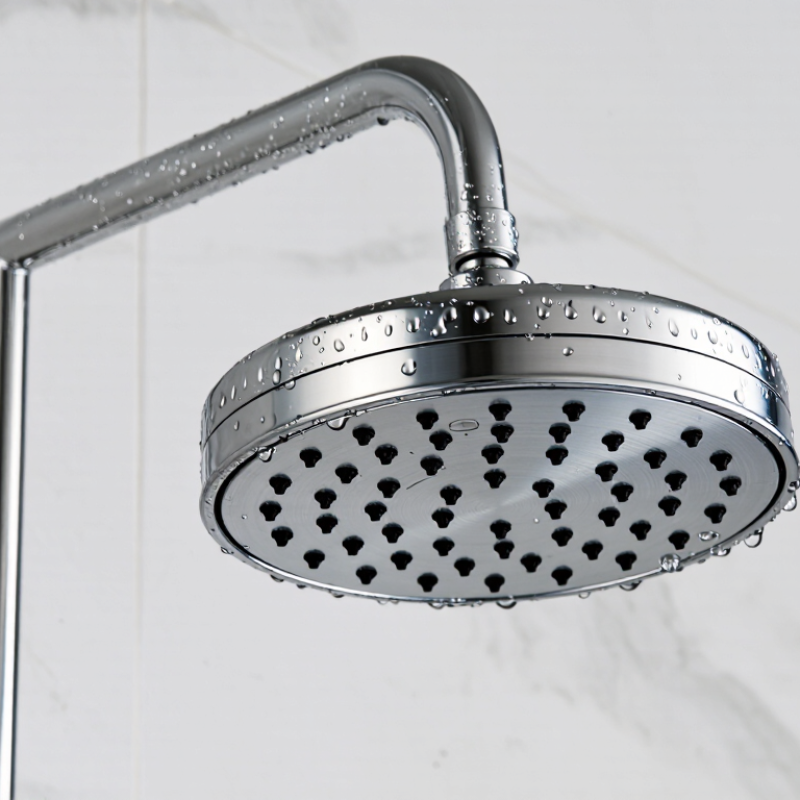
A stainless steel shower head is designed for daily contact with warm water, steam, and handling. Its rigid body can resist dents better than many thin plastic alternatives. Polished and brushed finishes suit different bathroom styles. These fixtures are often used in family homes, hotels, and rental properties with frequent use. Still, steel is not magic.
Performance depends on more than the visible shell. Check the stated steel grade, internal parts, and connection fittings, since a steel cover may conceal other materials. Grade 304 is common for indoor fixtures; grade 316 offers greater resistance to chloride exposure, though many homes may not need it. Water quality matters. Hard water can leave pale mineral deposits around spray holes. Wiping the surface and cleaning the nozzles regularly can help, while abrasive pads may scratch the finish.
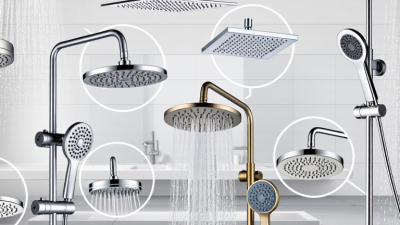
Shape affects everyday comfort. A wide rain-style head spreads water across the shoulders, while a handheld model can make rinsing children, pets, or shower walls easier. Check that the connection matches the plumbing at the installation site. Ask for flow-rate and corrosion-test information, not just polished product photos. A common buying mistake is choosing by finish alone; appearance says little about spray comfort or long-term performance.
How Stainless Steel Shower Heads Are Manufactured
How Stainless Steel Shower Heads Are Manufactured
Manufacturing starts with choosing stainless steel sheet or tubing suited to the product’s design. Common grades include 304 and 316, but the right choice depends on the intended environment and cost. Suppliers check material records and inspect the surface for dents or inconsistencies. Small details matter.
Machines cut and press the steel into a faceplate and housing. Some designs use welded parts; others rely on formed components. Spray openings are punched, drilled, or laser-cut to create a consistent pattern. Edges are deburred so they feel smooth, not sharp. This step is easy to rush.
The parts are polished or given a brushed finish, then cleaned and assembled with seals and spray nozzles. Silicone nozzles may be used alongside the steel body. Quality checks can include leak testing, pressure testing, and inspection of the spray pattern. Not every finish is perfect, so visual checks still matter. For global buyers, useful records include material documentation and batch-level inspection results. Testing should reflect the product’s intended use, rather than rely on appearance alone.
Key Criteria for Evaluating Shower Head Manufacturers
When evaluating shower head manufacturers, look beyond a polished sample. Ask what materials touch water and whether finish thickness is checked across production batches. A bright surface can conceal uneven plating. Small details matter. Request test records for flow rate, leakage, pressure tolerance, and corrosion resistance, then compare the methods used. Results are more useful when the test conditions are clearly stated.
Manufacturing consistency matters as much as design. Ask how often production samples are inspected and what happens when a batch fails. A capable supplier should explain its process in plain terms, not rely on vague quality claims. Ask for evidence. Review product drawings, material specifications, inspection reports, and packaging details. If possible, test samples under conditions similar to the intended market; a shower head may perform differently with varying water pressure.
Communication and delivery capacity deserve equal attention. Confirm lead times, minimum order quantities, replacement-part availability, and how specification changes are documented. Clear answers reduce avoidable delays. Yet no factory is flawless, and a supplier’s response to a defect can reveal more than a perfect sales presentation. Compare written commitments with sample quality, and allow time for a second inspection before approving a large order.
Leading Stainless Steel Shower Head Manufacturers for Global Buyers
A reliable stainless steel shower head manufacturer should explain exactly which parts use stainless steel. The body, spray plate, and connectors may use different materials. Ask for the stated grade, material records, and details about forming and welding. A bright finish is not proof of durable steel; appearance alone is a weak test. Details matter.
For global buyers, compare samples against written specifications. Check spray-hole alignment, edge finishing, thread dimensions, and whether fittings match your intended market. Request flow and corrosion-test information, then confirm how samples were tested. Packaging deserves attention too: loose parts can scratch polished surfaces during long-distance shipping. A good supplier should answer technical questions clearly and flag limits, not just promise quality. Still, documents and samples may not tell the whole story. Review production controls and agree on an inspection plan before placing a large order. Small differences can matter. A finish that looks even under showroom lights may show marks in a bathroom. That is worth checking.
Global Sourcing, Quality Checks, and Supplier Selection
Global sourcing for stainless-steel shower heads starts with a specification that leaves little room for guesswork. State the required material, finish, connection size, flow expectations, packaging, and destination market. Ask suppliers how they control surface marks and check threaded connections. Request a current product sample and compare it with the written specification. Small details matter. A polished sample alone is not proof of consistent production.
Quality checks should reflect how the product will be used. Inspect several units, not just one, and test fit, spray pattern, leakage, and finish under ordinary conditions. Ask for inspection records, material information, and clear photos of production samples. Confirm lead times, minimum order quantities, and how defects are handled before placing an order. These checks take time, and they can still miss problems. A sample can look excellent while a later batch differs. That possibility deserves more attention than it often gets.
Supplier selection is also about communication. Send the same questions to each candidate, then compare the clarity and completeness of their answers, not only their prices. Agree on approval steps and packaging details in writing. If an answer is vague, ask again; rushing past uncertainty is rarely efficient.