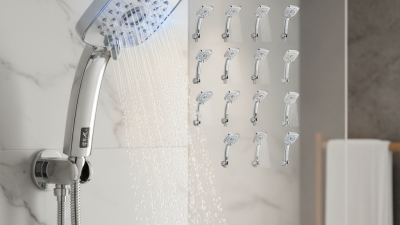
How to Choose the Best Rainfall Shower Heads?
page_banner

How to Choose the Best Rainfall Shower Heads?

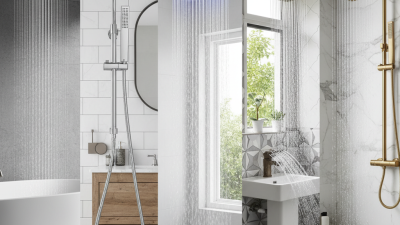
Choosing the right Rainfall Shower Heads can transform an ordinary bathroom into a calm, hotel-like retreat. However, appearance alone should not guide the decision. A wide, polished disc may look impressive, yet it can produce a weak spray when household water pressure is limited. The best choice depends on flow rate, ceiling height, plumbing capacity, water efficiency, and daily comfort.

Richard Trethewey, a licensed master plumber and longtime This Old House plumbing expert, has explained, “Water pressure is only part of the equation; the fixture must also distribute water effectively.” That principle matters when comparing overhead models. Before buying, measure the shower area and check whether the existing arm can support a larger head. A 10-inch model may create broader coverage, while a 12-inch design usually needs stronger water flow. Check the gallons-per-minute rating carefully.

Small details matter.

Look for easy-clean silicone nozzles, corrosion-resistant finishes, and adjustable angles. A stainless-steel body may offer better durability than lightweight plastic, although quality varies between brands. Water-saving models can reduce consumption, but some users may find their spray less forceful. This is where personal testing helps, if possible. Online specifications cannot fully recreate the feel of water on your shoulders.

I have found that buyers often overlook installation height and maintenance access. That mistake can make a beautiful shower uncomfortable or difficult to clean. This guide examines the practical differences among Rainfall Shower Heads, helping homeowners balance luxury, performance, reliability, and responsible water use. No single model suits every bathroom.
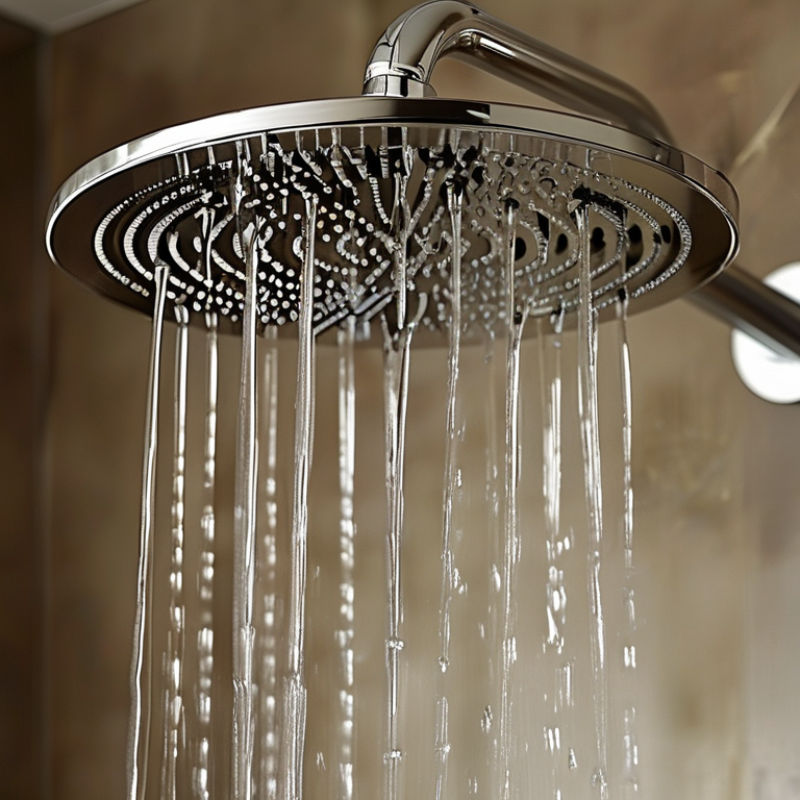
How to Choose the Best Rainfall Shower Heads?

Understanding Rainfall Shower Head Types and Features

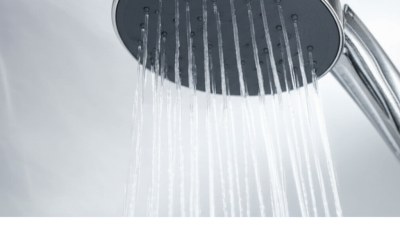
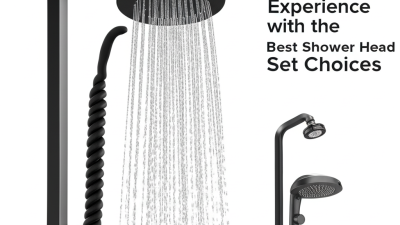
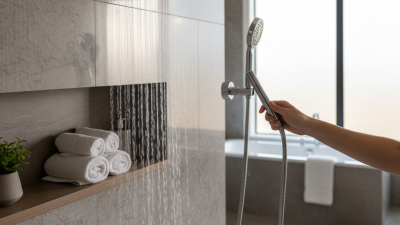
Rainfall shower heads differ more than their broad, gentle spray suggests. Fixed models create a clean, overhead effect, while handheld versions add control for rinsing children, pets, or difficult areas. Dual designs combine both, but they need stronger wall support and careful installation.

A larger faceplate can feel luxurious, yet it may reduce pressure in homes with limited water flow. That trade-off is easy to overlook.

Look for adjustable spray settings, rust-resistant materials, and silicone nozzles that resist mineral buildup. Check the stated flow rate before buying. A low-flow model can save water, but it may feel disappointing if your plumbing already produces weak pressure. No shower head can fully correct poor pipes. Measure the ceiling height and connection position, too. I have found that comfort depends as much on placement as on spray quality.

Tips: Turn on your current shower and observe the pressure first. Choose a spray diameter that matches it. For hard water, wipe the nozzles weekly with a soft cloth. Avoid harsh tools, which can damage the surface. If several people share the bathroom, a dual model may offer useful flexibility, though its controls can feel confusing at first. A simple handle and clearly marked settings are often more practical than extra features.

Assessing Bathroom Size, Water Pressure, and Plumbing Compatibility

Choosing a rainfall shower head starts with your bathroom’s size. A large ceiling-mounted head may feel luxurious, but it can overwhelm a narrow shower enclosure. Measure the shower area before buying. Leave enough clearance for your shoulders and for opening the door. In my experience, a compact wall-mounted model often feels better in a small bathroom. Bigger is not always better.

Water pressure matters just as much. Rainfall heads use wider spray plates, so weak pressure can produce a thin, disappointing flow. Check your home’s pressure at different times, especially during morning use. A pressure gauge can provide a useful reading, but it cannot reveal every plumbing issue. Older pipes may restrict flow. I once underestimated this problem and had to adjust the installation later.

Tips: Confirm the pipe diameter and connection type first. Check whether your wall can support the chosen arm. Ask a licensed plumber when rerouting pipes or changing a ceiling connection. Look for a model with easy-to-clean nozzles, especially if mineral buildup is common in your area. Test the existing shower outlet before ordering. That small step can prevent an expensive mistake.

Comparing Materials, Spray Patterns, and Water-Saving Performance

How to Choose the Best Rainfall Shower Heads?

Comparing Materials, Spray Patterns, and Water-Saving Performance

Material affects both comfort and service life. Stainless steel feels solid and resists surface corrosion in humid bathrooms. Brass connections usually tolerate repeated installation better than thin plastic fittings. However, material labels can mislead. Check the actual faceplate, internal valve, and connection quality before purchasing.

Spray patterns should match your daily routine. A wide rainfall pattern creates a gentle, even flow across your shoulders. Smaller nozzles can produce sharper pressure and rinse shampoo more efficiently. Some models combine rainfall, massage, and pause settings. I once chose a very wide head, but my low-pressure plumbing made the spray disappointing. Measure your water pressure first.

Water-saving performance depends on more than a low flow-rate number. Look for independently tested flow data, clear installation instructions, and compliance markings accepted in your region. A flow restrictor may reduce water use, yet it can feel weak in an older home. Compare litres per minute at similar pressure conditions. Clean the silicone nozzles regularly, because mineral buildup changes the pattern and wastes water. Small details matter. I still question products that promise strong coverage with very little water. That claim needs evidence, not attractive packaging.

How to Choose the Best Rainfall Shower Heads?

Comparing materials, spray patterns, and water-saving performance

The chart uses representative rated flow values commonly found in showerhead specifications. The 7.6 L/min line corresponds to the widely used efficient-flow benchmark of 2.0 gallons per minute, while 9.5 L/min is approximately the conventional 2.5 gallons-per-minute maximum used in the United States. Actual performance varies with water pressure, nozzle design, and flow restrictors.

Stainless Steel

Corrosion-resistant and durable, making it suitable for humid bathrooms. It is often a good choice for long-term use.

Brass

Solid and impact-resistant, with good resistance to heat and pressure. It is typically heavier than other materials.

ABS Plastic

Lightweight and naturally resistant to corrosion. Its performance depends heavily on nozzle quality and construction.

Material affects durability, weight, and corrosion resistance, but it does not determine water consumption by itself. For lower usage, prioritize an efficient spray pattern, a certified flow rate near or below 7.6 L/min, and easy-to-clean silicone nozzles.

Checking Installation Methods, Maintenance Needs, and Durability

How to Choose the Best Rainfall Shower Heads?

Choosing the best rainfall shower head starts with installation, not appearance. Measure the shower arm, ceiling height, and available clearance before buying. A wall-mounted model usually fits an existing threaded arm. A ceiling-mounted model may require new pipework and stronger support. Check the connection size and household water pressure carefully. Low pressure can make a wide head feel weak. If pipes are hidden, ask a licensed plumber to inspect them. That small expense can prevent leaks behind the wall.

Maintenance should be simple enough to perform every month. Look for silicone nozzles, a removable faceplate, and accessible seals. Rub the nozzles gently to release mineral buildup. For stubborn deposits, follow the cleaning instructions and avoid harsh acids. A soft cloth works better than abrasive pads on finished surfaces. In hard-water areas, cleaning may be needed more often. I sometimes underestimate this chore. That is exactly why easy access matters.

Durability depends on more than metal appearance. Solid brass or stainless steel generally handles moisture and daily movement well. Inspect the joints, threads, and finish before installation. A heavy head is not automatically stronger. Its bracket must safely carry the weight. Check replacement seals, corrosion protection, and warranty terms in reliable documentation. Spray quality matters, but it should not hide poor construction. I still check the bracket after cleaning, because small movement can become a costly leak.

How to Choose the Best Rainfall Shower Heads? - Checking Installation Methods, Maintenance Needs, and Durability

Shower Head Type Typical Installation Method Plumbing Requirements Recommended Water Flow Cleaning Frequency Typical Maintenance Durability Factors Best Use Case
Wall-Mounted Fixed Connects to an existing shower arm; usually the simplest replacement. A compatible threaded shower arm and adequate water pressure are generally sufficient. Commonly 1.8–2.5 gallons per minute (6.8–9.5 L/min), depending on the product and local rules. Every 1–3 months; more often in hard-water areas. Soak or wipe silicone nozzles, clean the inlet screen, and inspect the thread seal. Stainless steel or solid brass bodies generally resist impact and corrosion better than thin plated plastic. Quick upgrades, rental bathrooms, and standard wall plumbing.
Ceiling-Mounted Attaches to a ceiling drop arm or concealed ceiling connection. Usually requires overhead plumbing, accurate support, and waterproofing around the penetration. Often 2.0–2.5 gallons per minute (7.6–9.5 L/min); larger plates may feel weaker at low pressure. Every 1–2 months because mineral deposits can affect the wider spray surface. Descale the faceplate, check the ceiling connection, and verify that the support remains rigid. A corrosion-resistant faceplate and properly supported plumbing reduce sagging and leakage risks. New construction or major bathroom renovations requiring an overhead rainfall effect.
Adjustable Wall Arm Uses an existing wall connection with an adjustable angle or extension arm. Normally does not require concealed pipework, but the wall outlet must be firmly anchored. Typically 1.8–2.5 gallons per minute (6.8–9.5 L/min). Every 1–3 months, depending on water hardness and usage. Clean nozzles, tighten joints, and check the adjustment mechanism for looseness. Metal arms and reinforced joints generally withstand repeated repositioning better than lightweight plastic parts. Bathrooms where spray height and direction need to be adjustable.
Rainfall and Handheld Combo Installs on a wall connection and includes a diverter, flexible hose, and handheld bracket. Requires sufficient flow for the selected operating mode and secure mounting for the bracket. Usually 1.8–2.5 gallons per minute (6.8–9.5 L/min); simultaneous use may reduce spray strength. Monthly for the nozzles and every 3–6 months for hose and diverter inspection. Descale both outlets, rinse filters, inspect hose washers, and test the diverter for leaks. Metal hose fittings, replaceable washers, and a solid diverter improve service life. Family bathrooms, accessibility needs, and users who want both overhead and targeted spray.
Low-Flow Rainfall Head Usually replaces a standard wall-mounted head without changing concealed plumbing. Compatible thread size and sufficient pressure are required; performance varies with flow restrictor design. Commonly 1.5–2.0 gallons per minute (5.7–7.6 L/min). Every 1–3 months to prevent restricted spray from mineral buildup. Clean the restrictor and inlet filter carefully; avoid removing required flow-control components. Stable internal seals and a corrosion-resistant screen help maintain consistent flow over time. Water-conscious households and bathrooms with moderate water pressure.
Large-Plate Rainfall Head Can be wall- or ceiling-mounted, depending on the arm and connection supplied. The supporting arm and connection must handle the larger plate size and added leverage. Often 2.0–2.5 gallons per minute (7.6–9.5 L/min); confirm pressure suitability before purchase. Every 1–2 months, especially when the spray plate has many small outlets. Wipe the full faceplate, descale the nozzles, and inspect the arm for movement or stress. Rigid mounting, low-corrosion materials, and a replaceable gasket are important for long-term reliability. Users seeking broad body coverage and a gentle rainfall sensation.
Selection note: Flow rates are typical ranges rather than universal specifications. Always verify the product label, local water-efficiency requirements, available water pressure, connection size, and the strength of the existing plumbing before installation.

Selecting the Best Rainfall Shower Head for Your Budget and Needs

Choosing the best rainfall shower head starts with your budget, water pressure, and daily routine. A low-cost model can provide a wide spray, but its thin nozzles may clog quickly in hard water. Check the flow rate before buying. The U.S. Environmental Protection Agency’s WaterSense Specification limits labeled showerheads to 2.0 gallons per minute, compared with the federal maximum of 2.5 gallons. That difference can reduce water and heating costs without making the shower feel weak.

Pressure matters more than appearance. A large 10-inch rainfall plate may feel gentle in a home with modest pressure, yet disappointing in a busy household. Ask a plumber to measure static pressure if several fixtures run together. The U.S. Department of Energy reports that showering uses nearly 17% of residential indoor water, so efficiency deserves attention. A thermostatic valve, easy-clean nozzles, and a reliable swivel often offer more value than a decorative finish. Measure the ceiling or wall connection carefully. Small errors create expensive repairs.

Stay realistic about price. Under 60 dollars, prioritize certified flow control and solid connection parts. Between 60 and 150 dollars, you may find better spray coverage and stronger materials. Higher prices do not guarantee better comfort. They sometimes pay for styling. Test the spray pattern with your hand before installation, if possible. It is not a perfect method, but it reveals harsh streams and uneven coverage. Local water quality also changes the decision; a model that performs well elsewhere may need frequent cleaning in your bathroom.