What Is a Bathroom Shower Head and Which Type Is Best?
page_banner

What Is a Bathroom Shower Head and Which Type Is Best?

A Bathroom Shower Head is more than a small fitting fixed above your shoulders. It controls how water feels, spreads, and reaches your skin. Its spray pattern can change a rushed morning into a comfortable routine. It can also expose weak water pressure, poor plumbing, or careless product selection.

“Comfort depends on controlled flow, not pressure alone,” says Richard Trethewey, a respected plumbing and HVAC expert known for practical residential advice. That observation matters when comparing fixed, handheld, rain, dual, and filtered models. Each type solves a different problem. A handheld shower head helps children, older adults, and people cleaning the tub. A rain shower head creates a gentle, wide spray. A high-pressure model may help in homes with limited flow, but it cannot repair damaged pipes.

The best Bathroom Shower Head depends on your bathroom, habits, and water system. Measure the connection before buying. Check the spray settings. Feel the handle if possible. Small details matter.

There is no universal winner.

A polished product description may promise a spa experience. Real bathrooms are less predictable. Mineral buildup can block nozzles. A powerful spray may feel harsh. A low-flow model may save water but disappoint someone expecting strong coverage. This guide will examine each option with practical comparisons, installation considerations, maintenance needs, and comfort in daily use. Some recommendations may remain imperfect. That is honest. A shower head should fit the person, the plumbing, and the space—not simply the trendiest photograph.
What Is a Bathroom Shower Head and Which Type Is Best?

Definition and Basic Function of a Bathroom Shower Head

A bathroom shower head is the fixture that turns water from the shower pipe into a controlled spray. Inside, small passages divide the flow among outlet holes, shaping droplets and directing them toward the body. The head may be fixed overhead, handheld, or designed to switch between spray patterns. Its basic job is simple: deliver water comfortably while allowing the user to rinse without holding the pipe. Simple, but not trivial. Spray shape, pressure, and hole placement can make the same water flow feel gentle or sharp.

The U.S. Environmental Protection Agency’s WaterSense program sets a maximum flow rate of 2.0 gallons per minute for labeled shower heads, compared with the federal standard of 2.5 gallons per minute for standard models. EPA says WaterSense-labeled shower heads use at least 20 percent less water while meeting performance criteria. These figures help explain why a shower head is more than a decorative fitting: it affects both water use and the feel of a shower. A useful check is to notice whether spray reaches the shoulders evenly and rinses shampoo from thick hair. Results can vary with household water pressure, however. A lower-flow head may feel less forceful in one home, and that detail is easy to overlook.

Main Types of Bathroom Shower Heads and Their Features

A bathroom shower head controls how water reaches your body. Its design affects comfort, cleaning power, and daily water use. The main types are fixed, handheld, dual, and rain shower heads.

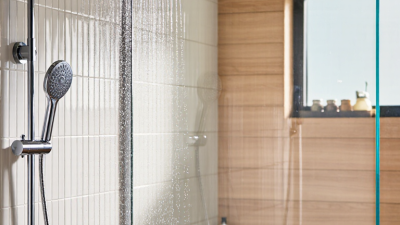
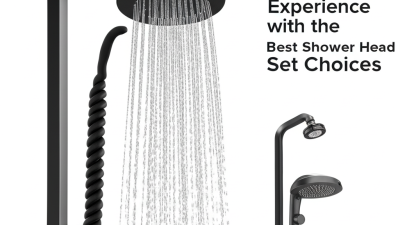
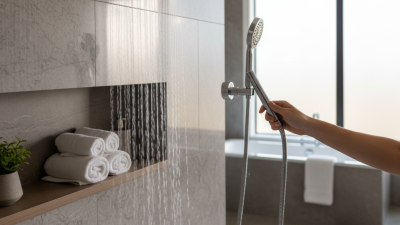
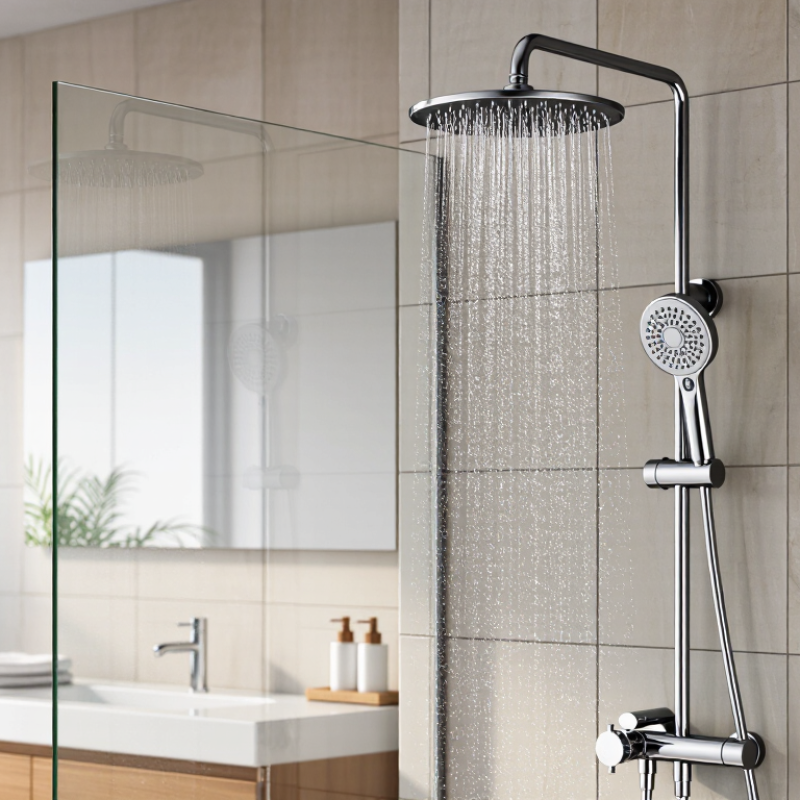
Fixed shower heads attach to the wall and suit simple, low-maintenance bathrooms. Handheld models connect to a flexible hose, helping users rinse children, pets, or hard-to-reach areas. Dual systems combine both options, but they usually need stronger plumbing support. Rain shower heads spread water across a wider surface. They feel gentle, although some users may find the flow less powerful. I have noticed that “luxury” does not always mean better performance.

Water efficiency deserves attention. The U.S. Environmental Protection Agency’s WaterSense showerhead specification allows a maximum flow of 2.0 gallons per minute. Conventional federal limits allow up to 2.5 gallons per minute. EPA reports that showering represents about 17% of residential indoor water use, exceeding 1.2 trillion gallons each year. A smaller flow can still feel strong when the spray pattern is well engineered. However, personal comfort remains difficult to measure.

Tips: Check your water pressure before choosing a wide rain head. Measure the shower arm and ceiling height. Look for an independently tested flow rate, not vague claims. A handheld model may improve cleaning, but its hose needs regular rinsing. Also, inspect the spray nozzles monthly. Mineral buildup can quietly weaken performance.

How Shower Head Design Affects Water Flow and Comfort

A bathroom shower head is the fixture that distributes water over your body. Its design controls spray coverage, pressure, temperature perception, and daily comfort. I once assumed a stronger spray always meant a better shower. That was wrong. A narrow jet can feel powerful, but it may irritate sensitive skin and leave other areas cold.

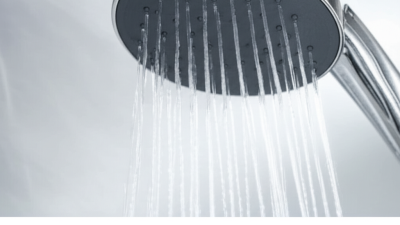
Fixed shower heads usually provide steady coverage from one position. Their spray plate, nozzle size, and angle shape the water pattern. Smaller openings create sharper streams, while wider openings produce a softer spray. A rainfall design spreads water gently across a broader area. It feels calming, but it may seem weak in homes with limited water pressure. Handheld models add flexibility for rinsing hair, cleaning the shower floor, or helping children bathe. They also require secure mounting and a comfortable hose length.

Water-saving designs often use flow control and air mixing. These features can reduce water use while maintaining a fuller spray. However, the result depends on household pressure and mineral buildup. Hard-water deposits can distort the pattern and create uneven streams. Cleaning the spray plate regularly helps, though I sometimes underestimate how quickly deposits return. Height matters too. A head mounted too high may scatter water, while a low angle can strike the shoulders harshly. The most suitable type depends on skin sensitivity, body height, pressure, and cleaning habits, not appearance alone.

What Is a Bathroom Shower Head and Which Type Is Best? - How Shower Head Design Affects Water Flow and Comfort

Shower Head Type Typical Installation Common Flow Pattern Typical Flow Rate Comfort and Coverage Key Advantages Potential Limitations Best Suited For
Fixed Shower Head Mounted permanently to the shower arm on the wall. Multiple small jets, often with adjustable spray settings. About 1.5–2.5 gallons per minute (GPM), depending on the model and local requirements. Balanced coverage
Provides a consistent spray from a fixed position.
Simple design, low maintenance, easy operation, and generally affordable. Limited reach and less flexibility for seated users, children, or cleaning the shower enclosure. Standard bathrooms and users who prefer a straightforward shower experience.
Handheld Shower Head Attached to a wall bracket with a flexible hose. Focused spray with adjustable settings; the head can be directed by hand. About 1.5–2.5 GPM; lower-flow models are also available. Highly flexible
Allows targeted rinsing and easier control of spray distance.
Useful for children, older adults, people with limited mobility, hair washing, and cleaning. Hose and bracket require occasional cleaning; poorly positioned brackets may reduce convenience. Accessible bathrooms, family bathrooms, and users who need directional control.
Dual Shower Head Combines a fixed head and a handheld head on one shower system. Fixed overhead spray, handheld spray, or both at the same time. Usually 1.5–2.5 GPM per operating outlet; total use can be higher when both outlets run together. Most versatile
Offers broad coverage and targeted rinsing.
Flexible positioning and multiple spray choices for different users. More expensive and complex; water pressure may feel weaker when both heads operate simultaneously. Shared bathrooms and households with varied comfort preferences.
Rain Shower Head Installed overhead or on a long, angled shower arm. Wide, gentle droplets distributed across a broad face. Commonly 1.5–2.5 GPM, although the perceived flow may feel softer than a focused spray. Wide, gentle coverage
Creates a relaxed rainfall effect rather than a concentrated massage.
Broad coverage and a calming shower feel; works well for users who dislike sharp spray. May rinse thick hair more slowly; overhead installation may be unsuitable for some bathrooms. Relaxing showers and bathrooms with adequate ceiling or wall clearance.
Low-Flow Shower Head Available in fixed, handheld, or rain-style configurations. Uses smaller openings, aeration, pressure compensation, or optimized spray channels. Often 1.5–2.0 GPM; U.S. WaterSense-labeled models use no more than 2.0 GPM. Efficient comfort
Can feel strong when the spray pattern is well engineered.
Reduces water and water-heating energy use while maintaining practical shower performance. Performance can vary with household pressure, plumbing condition, and nozzle design. Water-conscious households and bathrooms with adequate water pressure.
High-Pressure Shower Head Usually installed as a wall-mounted fixed or handheld unit. Narrower jets or pressure-compensating channels concentrate the available water. Commonly 1.5–2.5 GPM; a “high-pressure” label does not necessarily mean a higher flow rate. Focused and invigorating
Often provides a stronger sensation without exceeding the fixture’s flow limit.
Helpful where water pressure is modest; focused jets can improve rinsing efficiency. May feel too sharp for sensitive skin and cannot fully correct severely low household pressure. Users who prefer a concentrated spray or need more effective rinsing.
Filtered Shower Head Installed between the shower arm and the shower head, or integrated into the head. Varies by design; may use a standard, massage, or rain-style spray. Typically about 1.5–2.5 GPM, depending on the shower head and filter housing. Depends on design
Spray comfort is determined mainly by the underlying nozzle pattern.
Can reduce certain particles or chlorine-related odors when the filter is appropriate and maintained. Filter performance depends on water chemistry, cartridge replacement, and maintenance; it does not soften all hard water. Users concerned about water odor or specific, treatable impurities.
Flow-rate note: Actual performance depends on water pressure, pipe condition, shower-head design, and local plumbing rules. In the United States, the federal maximum flow rate for standard shower heads is generally 2.5 GPM, while WaterSense-labeled models use no more than 2.0 GPM.

Factors to Consider When Choosing the Best Shower Head

Choosing a shower head starts with the shower itself. Check your water pressure before comparing spray settings. A wide rain-style head can feel gentle, but it may disappoint if pressure is already low. A handheld model offers more control for rinsing, cleaning the enclosure, or bathing children. It can be less convenient if its hose kinks or the holder sits too low.

Think about daily use, not just appearance. Stand beneath the existing shower and note where the spray lands. Does the ceiling feel crowded? Is the water hitting the curtain? Adjustable heads can help with different heights, though extra settings are not useful to everyone. Sometimes, simpler is better. Also check the connection size and installation instructions before buying; a poor fit can turn a quick replacement into a frustrating repair.

Maintenance matters, too. Mineral deposits can clog small spray openings, especially in hard-water areas. A head with flexible, easy-to-wipe nozzles may take less effort to clean. Consider materials and finish based on how often you want to wipe away spots, rather than appearance alone. If conserving water is important, compare the stated flow rate and check whether the spray still feels comfortable at your home’s pressure. Those figures help, but they cannot fully predict the experience. One detail is easy to overlook: a head that feels pleasant for a minute may feel tiring during a longer shower.

Comparing Shower Head Types for Different Bathroom Needs

What Is a Bathroom Shower Head and Which Type Is Best?

Choosing a shower head depends on water pressure, mobility, and daily bathing habits. A fixed shower head suits simple layouts and gives a consistent spray from one position. A handheld model adds flexibility. It helps rinse children, clean the enclosure, or support users with limited movement. A dual system combines both, but its extra diverter and hose require careful installation.

Rain shower heads create a broad, gentle fall. They feel relaxing, yet they may disappoint in homes with weak pressure. Massage settings can help tired shoulders, though aggressive sprays may waste water without improving comfort.

According to the U.S. Environmental Protection Agency’s WaterSense Specification 1.2, efficient shower heads use no more than 2.0 gallons per minute. That is 20% below the federal 2.5-gallon standard. Small savings matter.

Check the flow label, spray angle, and handle reach before buying. The U.S. Department of Energy identifies flow rate as a key factor in residential water and energy use. In real bathrooms, a low-flow head can feel weak if pipes are restricted or the filter is clogged.

I have also found that “luxury” spray patterns sometimes become uncomfortable after several minutes. A practical choice balances pressure, coverage, grip, and cleaning effort.

Some bathrooms need less drama. EPA WaterSense and DOE residential plumbing fixture guidance can support that decision.