How to Choose the Best Bathroom Shower Head
page_banner

How to Choose the Best Bathroom Shower Head

Choosing a Bathroom Shower Head is not just about picking the strongest spray or the most polished finish. The right choice should suit your water pressure, daily routine, and existing plumbing. A wide rainfall head may look inviting, yet it can feel underwhelming when household pressure is low. A handheld model offers more control for rinsing, cleaning the tub, or bathing children and pets. Small details matter.

Before comparing styles, check the connection type, available space, and any stated flow-rate information. Read product specifications carefully, and confirm compatibility with your shower arm or hose. If you rent or are unsure about the plumbing, avoid assuming that every fixture will fit. A quick measurement can save a frustrating return.

Think about how the spray feels in ordinary use, not only how it looks in a product photo. Adjustable settings can be useful, but more options do not always mean a better shower. Mineral buildup may also affect performance, especially in areas with hard water, so consider how easy the nozzles are to clean. No single Bathroom Shower Head works best for every home. It can be tempting to focus on price alone; still, installation needs, maintenance, and comfort shape the real value. Preferences can change after a few weeks, too. That is worth admitting. A practical choice balances reliable fit, manageable upkeep, and a spray that feels comfortable day after day.
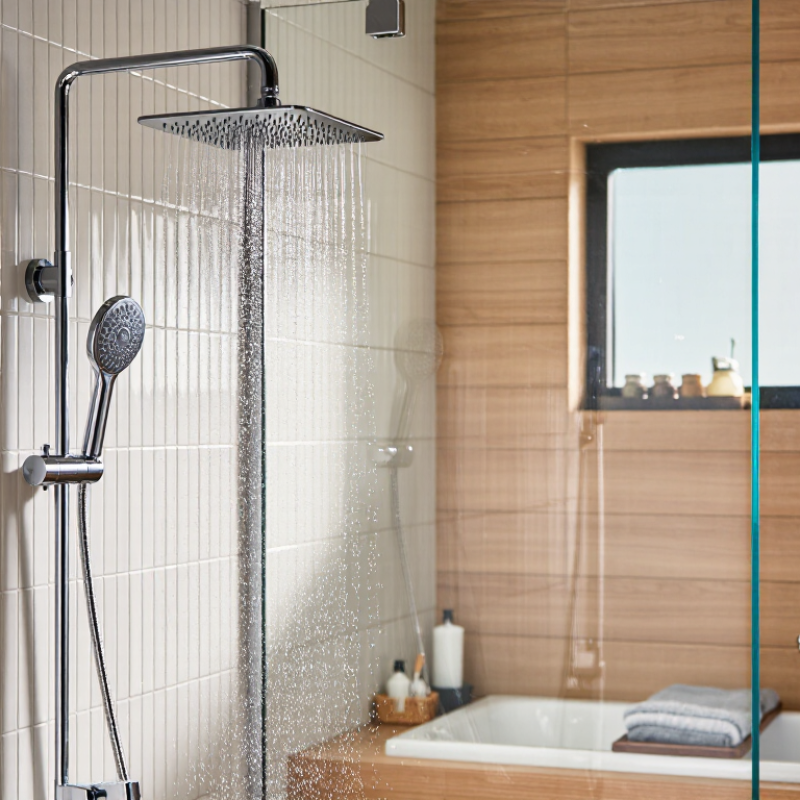
How to Choose the Best Bathroom Shower Head

Assess Your Bathroom’s Plumbing and Showering Needs

Before choosing a shower head, check what your bathroom can actually support. Look at the existing arm or ceiling outlet, and note its thread size and position. Most homes use standard connections, but older fittings can differ. Measure the space, too: a wide overhead spray may feel cramped beneath a low ceiling. If the current shower already has weak flow, a new head may not solve the problem. Low household pressure, mineral buildup, or a partly closed valve could be responsible. Check the head’s flow rating and clean the old fixture before drawing conclusions. Small details matter.

Think about how you shower each day. A fixed head can suit a simple routine, while a handheld model may help with rinsing children, pets, or the shower enclosure. If several people share the bathroom, consider whether they prefer a gentle spray or stronger coverage. Hard water can leave scale on small nozzles, so an easy-to-clean face may save effort. Also check whether your plumbing has a diverter and whether the water heater can keep up with longer showers. I might be tempted by a large rain-style head, but comfort depends on pressure and ceiling height, not appearance alone. If the connection or pressure is unclear, ask a qualified plumber to inspect it before buying. It is a minor inconvenience, but guessing can mean another trip to the store.

Compare Showerhead Types and Spray Patterns

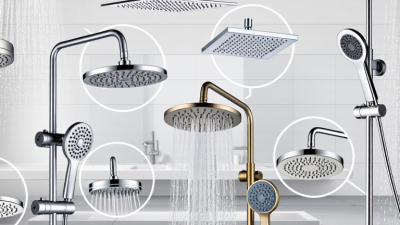
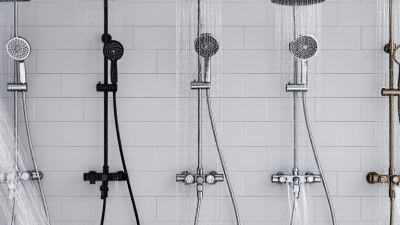
Choosing a showerhead means comparing both its shape and spray pattern. Fixed heads are simple and usually offer a broad, steady spray. Handheld models make it easier to rinse children, clean the tub, or target sore shoulders. Rain-style heads spread water across a wider area, but their gentle feel may disappoint anyone wanting a forceful rinse. Combination models offer both options, though extra parts can mean more cleaning.

Spray settings change the experience. A concentrated massage spray feels stronger on one spot; a wide spray covers more of your body. Mist can feel pleasant, but it may not rinse thick hair quickly. Check the flow rating, too. The U.S. EPA’s WaterSense showerhead criteria set a maximum of 2.0 gallons per minute, compared with the 2.5-gallon standard used for its efficiency comparison. That benchmark helps shoppers compare water use, but it cannot tell you how a model feels at home. Check your household’s water pressure, and remember that a wide spray may feel weak if pressure is limited. Small detail, big difference. I would not choose by spray names alone; “rain” and “massage” can mean different things across products. Look for clear flow data and return terms before buying.

Check Water Pressure, Flow Rate, and Efficiency

A showerhead’s flow rating tells you how much water it uses, not how strong the spray will feel. Check your home’s pressure while the shower is running, ideally when other taps are off. Then repeat while a sink or washing machine is running. A noticeable change may point to limited household supply, not a faulty showerhead. For a simple flow check, collect water in a one-gallon container for 30 seconds and double the amount collected. This estimate is rough, but useful.

The U.S. EPA WaterSense program sets a maximum flow of 2.0 gallons per minute for labeled showerheads and tests for satisfactory spray performance. EPA estimates that an average family replacing an older showerhead with a WaterSense-labeled model can save about 2,700 gallons of water and 330 kilowatt-hours of electricity each year. Look for the rated gallons per minute, but weigh it against your own pressure test. A low-flow model may feel weak in a home with already-low pressure. Small detail, big difference. Clean mineral deposits from the spray nozzles before judging performance; buildup can narrow the openings. This test is imperfect, and household plumbing can complicate the result. Still, comparing the rating with your measured flow gives you a more practical choice than relying on packaging claims alone.

Compare Materials, Features, and Installation Requirements

A shower head should feel solid in the hand and suit your bathroom’s water pressure. Metal bodies, such as brass or stainless steel, often tolerate knocks better than plastic, but they can cost more and feel heavier. Plastic models are lighter and easier to handle. Finish matters, too: mineral spots show quickly on dark surfaces, especially in hard-water areas. Small detail. Check whether the spray face has flexible nozzles; they are easier to wipe clean when scale builds up.

Features affect both comfort and installation. A handheld head helps rinse children, pets, or tiled corners, while a fixed head keeps the setup simple. EPA WaterSense specifications set a maximum flow of 2.0 gallons per minute, compared with the federal standard of 2.5 gallons per minute. The EPA estimates that a WaterSense showerhead can save an average family 2,700 gallons of water annually. Lower flow may feel less forceful in some homes, so pressure and spray design deserve a real test. Before buying, check the shower arm connection, available clearance, and the maker’s stated operating-pressure range. Many U.S. fixtures use a ½-inch connection, but do not assume yours does. A plumber’s tape and adjustable wrench may be enough; an old, corroded arm can complicate the job. I would measure twice. It is easy to overlook.

How to Choose the Best Bathroom Shower Head - Compare Materials, Features, and Installation Requirements
Shower Head Type Common Materials Typical Features Flow Rate Considerations Installation Requirements Best Suited For
Fixed wall-mounted Chrome-plated brass, stainless steel, or ABS plastic Simple design; some models offer multiple spray settings or an adjustable swivel joint Check the rated gallons per minute (GPM); available models vary by market and local regulations Usually screws onto an existing shower arm. Many fittings in the United States use a 1/2-inch NPT connection; confirm the product and plumbing specifications Straightforward replacements and bathrooms where a fixed spray is preferred
Handheld ABS plastic, stainless steel, or metal components with a flexible hose Detachable spray head; hose makes it easier to rinse the shower, children, or pets Compare the rated flow rate and spray settings; a pause feature may reduce flow but may not shut it off completely Typically connects at the shower arm or a wall-mounted holder. Check hose reach, holder position, connection size, and whether the existing arm supports the added weight Flexible rinsing, easier cleaning, and users who benefit from a movable spray
Fixed and handheld combination ABS plastic or metal shower heads, with a flexible hose and diverter Offers fixed, handheld, or—in some models—combined spray operation When both heads run at once, the available flow is shared; verify the stated total flow and local limits May attach to the existing shower arm or require a dedicated diverter. Confirm that the diverter and fittings match the plumbing setup Households wanting both a stationary spray and handheld flexibility
Rain-style overhead Stainless steel, brass, or ABS plastic Broad spray face designed to distribute water over a larger area; commonly ceiling- or wall-mounted A large spray face does not necessarily mean a higher flow rate; check the rated GPM and performance requirements A wall-mounted model may fit a compatible shower arm. Ceiling-mounted models generally require suitable overhead plumbing and may involve more extensive work A wide, overhead spray and bathrooms with suitable mounting height and plumbing
Water-saving / low-flow ABS plastic, stainless steel, or brass, depending on the model Designed to limit water use; may use flow regulators or spray patterns intended to maintain a usable feel Look for a clearly stated GPM rating. WaterSense-labeled shower heads, where the program applies, are independently certified to use no more than 2.0 GPM Usually installs like a standard fixed head, but follow the instructions and check local plumbing rules and compatibility with the shower system Reducing water use while replacing a compatible shower head
Selection and installation notes: Material, finish, flow rate, and connection details vary by product. ABS plastic is lightweight and does not rust, while brass and stainless steel are common metal options; durability also depends on construction and finish. Before buying, check the product specifications, local flow-rate requirements, shower-arm condition, connection type, water pressure, and installation instructions. Turn off the shower before installation and use plumber’s tape only as directed.

Choose a Showerhead That Fits Your Budget and Maintenance Needs

A showerhead’s price is only part of its cost. Set a budget that includes installation and possible replacement parts, such as washers or a hose. A simple fixed model often costs less and has fewer joints to clean. A handheld model can be useful for rinsing a tub or washing pets, but its hose and bracket need occasional attention. Small details matter.

Consider your water and cleaning routine before you buy. In hard-water areas, mineral deposits can clog spray openings over time. Flexible silicone nozzles are often easier to wipe clean, while a removable screen may make periodic rinsing simpler. Check the care instructions and confirm that the head fits your existing connection. If water pressure is already weak, a new showerhead may not solve the underlying plumbing issue. That is easy to overlook.

A very inexpensive model may work well, but it may offer fewer repairable parts. Paying more is not automatically better; some features add cost without making cleaning easier. Think about how often you want to maintain it, and whether you will actually use extra spray settings. A realistic choice is the one you can afford and keep clean—not necessarily the most elaborate one.