



How to Choose the Best Stainless Steel Shower Head
Choosing the best Stainless Steel Shower Head requires more than comparing polished finishes and low prices. The real decision involves material grade, spray performance, water use, installation, and long-term maintenance. A bright surface may look premium in a showroom, yet hidden plastic parts can weaken the product’s service life. That detail is easy to miss.
The U.S. Environmental Protection Agency’s WaterSense specification limits labeled showerheads to 2.0 gallons per minute, compared with the federal maximum of 2.5 gallons per minute. This difference matters in homes with several daily showers. It can also affect perceived pressure, especially in buildings with older plumbing. The U.S. Department of Energy continues to treat flow control as an important efficiency issue, although efficiency should not mean an uncomfortable shower.
Plumbing expert Richard Trethewey has said, “A good shower is about more than water pressure; it is also about control and comfort.” That principle makes product testing more useful than marketing language. Check the spray pattern with wet hands, inspect the connection threads, and ask whether the steel is genuinely corrosion-resistant. Type 304 stainless steel is common, while Type 316 offers stronger resistance in humid or coastal environments. Still, no finish is maintenance-free.
This guide compares construction, flow rate, spray quality, cleaning needs, and installation fit. It also questions a common assumption: heavier does not always mean better. A carefully designed Stainless Steel Shower Head can deliver durability and comfort, but only when its internal components deserve equal attention.
Define Your Shower Needs and Installation Requirements
How to Choose the Best Stainless Steel Shower Head
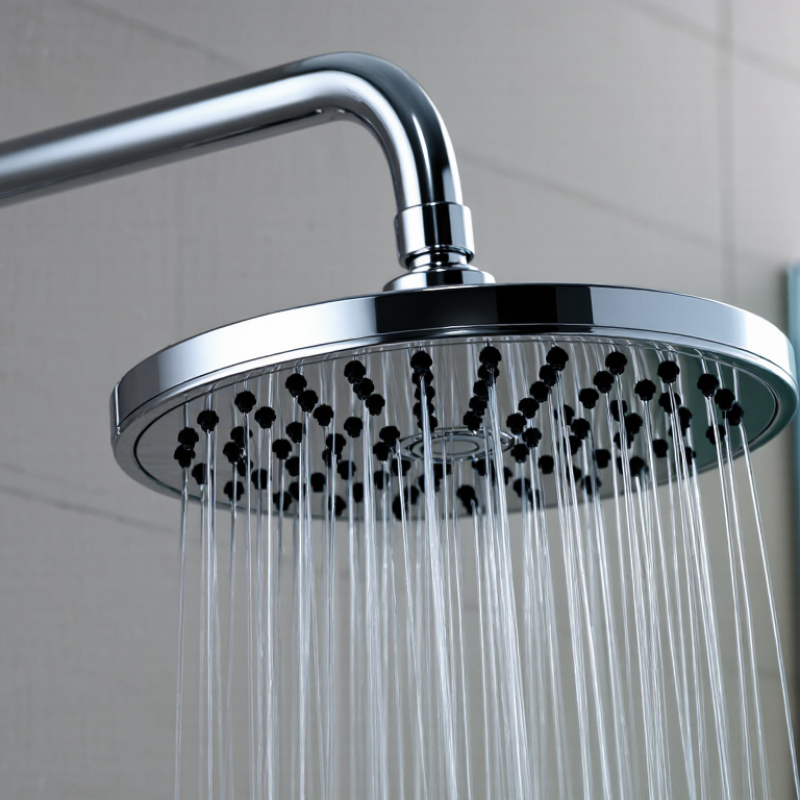
Define your shower needs before comparing finishes or spray patterns. Do you enjoy a gentle rainfall effect, or do you need stronger pressure for rinsing thick hair? A larger head can provide broader coverage, but it may feel weak in homes with limited water pressure. Measure your shower space carefully. A compact enclosure may suit a smaller head better. Think about daily comfort, too. An adjustable handheld option can help children, older adults, and anyone cleaning the shower walls.
Installation requirements deserve equal attention. Check whether your existing connection is wall-mounted or ceiling-mounted. Measure the pipe position, thread size, and available clearance before ordering. Stainless steel offers useful resistance to corrosion, but construction quality still matters. Look for secure joints, smooth internal passages, and a spray plate that can be cleaned easily. Mineral deposits often collect around small nozzles. A removable plate can save time later.
I once ignored the shower arm angle and chose a head that looked perfect online. The water struck the wall instead of my shoulders. Small details matter. Confirm the swivel range and head height first. During installation, use the correct sealing method and avoid overtightening the connection. That mistake can damage threads or create a slow leak. If the plumbing is old, ask a qualified professional to inspect it. A brief pressure test after installation is worthwhile. It catches problems before moisture reaches the wall.
How to Choose the Best Stainless Steel Shower Head - Define Your Shower Needs and Installation Requirements
| Shower Need or Installation Factor | Recommended Stainless Steel Shower Head Type | Useful Specifications | Installation Requirements | Best For |
|---|---|---|---|---|
| Balanced everyday shower | Fixed round or square shower head | Diameter: 150–200 mm Flow rate: approximately 7.5–9.5 L/min |
Standard 1/2-inch shower arm connection; verify local plumbing thread size | Most standard bathrooms and moderate water pressure systems |
| Wide, rain-style coverage | Large overhead rain shower head | Diameter: 200–300 mm Multiple silicone nozzles for easier cleaning |
Requires a secure ceiling or wall-mounted arm; check that the support can carry the larger head | Users who prefer gentle, full-body water coverage |
| Low water pressure | Compact pressure-optimized shower head | Diameter: 80–120 mm Smaller spray area with pressure-enhancing nozzle design |
Use a clean inlet screen and avoid unnecessarily long or restrictive supply fittings | Upper-floor bathrooms, gravity-fed systems, or homes with weak flow |
| Water-saving showering | Low-flow shower head with a flow regulator | Common flow range: 5.7–7.5 L/min Look for a clearly stated rated flow rate |
Confirm the regulator is compatible with household pressure and local water-efficiency requirements | Water-conscious households and smaller hot-water systems |
| Flexible rinsing and cleaning | Handheld stainless steel shower head with hose | Hose length: approximately 1.5–2.0 m Multi-mode spray selector |
Needs a wall bracket or slide bar, a compatible hose, and a secure threaded outlet | Families, accessible bathrooms, pet washing, and targeted rinsing |
| Combined overhead and handheld use | Dual shower system with diverter | Two outlets or an integrated diverter Check total flow demand before purchase |
May require a diverter valve, additional plumbing connection, or a compatible existing outlet | Users who want both broad coverage and precise control |
| Existing shower-arm replacement | Lightweight fixed shower head with a universal-style connection | Head weight should be suitable for the existing arm Use a swivel ball joint for angle adjustment |
Remove the old head, clean the threads, apply suitable thread-sealing tape, and hand-tighten before final adjustment | Quick upgrades without opening the wall |
| New bathroom installation | Shower head selected together with the plumbing layout | Plan head diameter, outlet height, flow rate, and control-valve location in advance | Use water-resistant wall support, correctly sized pipework, and accessible shut-off or service points | Remodels and new construction projects |
| Hard-water environment | Stainless steel head with flexible silicone nozzles | Easy-clean spray face; corrosion-resistant stainless steel construction | Inspect and descale the spray face regularly; do not use abrasive tools that can damage the finish | Areas where mineral deposits commonly block spray holes |
| Long-term durability | Corrosion-resistant stainless steel shower head | Prefer clearly identified stainless steel construction, smooth welds, and a stable threaded connector | Use compatible metal or approved plumbing fittings; prevent cross-threading and overtightening | High-use bathrooms and humid environments |
| Easy maintenance | Shower head with removable or accessible inlet filter | Tool-accessible screen; flexible nozzles; smooth surface with minimal crevices | Flush the inlet screen periodically and clean mineral deposits according to the manufacturer’s care instructions | Busy households seeking simple upkeep |
| Rental or temporary upgrade | Simple handheld or fixed replacement head | Standard threaded connection; compact size; no concealed plumbing components | Choose a reversible installation and retain the original fitting for future reinstallation | Renters and users who want minimal modification |
Related Posts
-

Ultimate Guide to the Best S S Shower Head: Specs, Features, and Installation Tutorial
-
Why Choose a Luxury Shower Head for Your Bathroom Upgrade?
-
Top Tips for Choosing the Best Plastic Shower Options?
-

How to Choose the Best Large Shower Head for Your Bathroom?
-

Best Rainfall Shower Heads for Modern Bathrooms?
-

How to Choose the Best S S Shower Head for Your Bathroom?