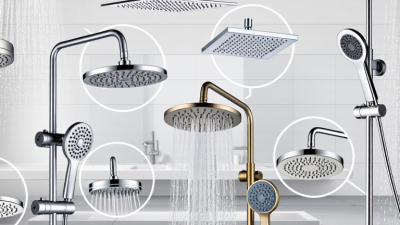
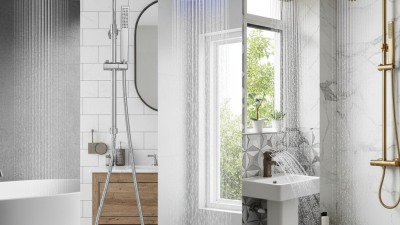
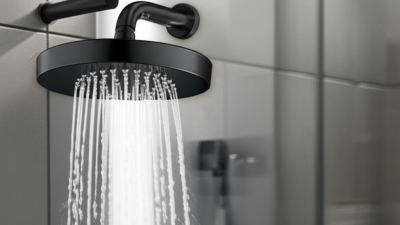
Choosing the 2026 best Over Head Shower requires more than comparing chrome finishes and spray patterns. Global buyers now examine water efficiency, installation standards, material quality, and after-sales support. A beautiful shower can still disappoint when its spray weakens under low pressure.
The United States Environmental Protection Agency states that WaterSense-labeled showerheads use at least 20% less water. They must also provide performance close to standard models. The U.S. Department of Energy limits many residential showerheads to 2.5 gallons per minute. However, global requirements differ. European, Asian, Middle Eastern, and African markets may use different pressure ratings, thread sizes, and certification systems. Buyers should check local plumbing compatibility before ordering large quantities.
Market research from Grand View Research identifies rising renovation activity, smart bathroom adoption, and water conservation as major shower-market drivers. These trends shape the 2026 Over Head Shower category. Hansgrohe CEO Hans Jürgen Kalmbach has emphasized that “water is the most important resource in the world.” His point is simple, but easy to overlook when product pages focus only on appearance.
This guide compares flow performance, nozzle design, corrosion resistance, mounting flexibility, and verified certifications. It also considers real bathroom conditions, including hard water, unstable pressure, and frequent cleaning. No ranking is perfect. Laboratory figures may not reflect every household. A premium model may also be unnecessary for a small rental bathroom. The best choice depends on climate, plumbing, budget, and user expectations.
2026 Best Over Head Shower for Global Buyers?
What Is an Overhead Shower and How Does It Work?
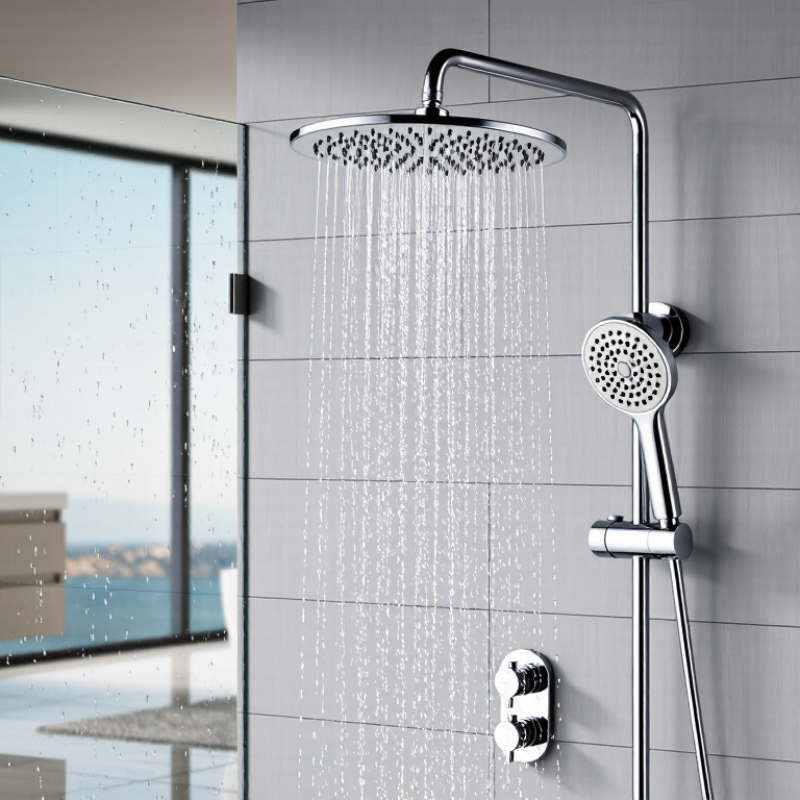
An overhead shower, often called a rain shower, is a fixed outlet above the user. Water enters through the wall pipe, passes through a valve, and reaches the shower head. Small nozzles divide the flow into many streams. Gravity helps the water fall evenly, but pressure still matters. It does not create pressure by itself. This detail is easy to miss.
During selection, check the inlet size, mounting height, spray diameter, and flow rate. A wider head feels gentle, while a smaller head can produce a sharper spray. Homes with low pressure may need a compact design. Homes with hard water need removable nozzles. Mineral deposits can narrow the openings and change the spray pattern. Before installation, flush the pipe and inspect the seal. A slow drip often comes from a poor connection, not the head.
For global buyers, confirm the operating pressure range and material details. Stainless steel, brass, and durable engineering plastics can all work when properly made. Finish quality matters in humid bathrooms. Read the care instructions carefully. Strong cleaners may damage the surface. My view is cautious: “best” depends on the bathroom, not appearance alone. A ceiling-mounted model can look impressive, yet it may feel awkward for children or users who prefer hand control. Measure twice. Leave access for maintenance. A beautiful installation becomes frustrating when the filter cannot be reached.
The best overhead shower depends on water pressure, climate, bathroom size, and local installation habits. A fixed rain shower suits homes with stable pressure and spacious walk-in bathrooms. Its broad spray feels gentle, but weak pumps may produce disappointing flow. Pressure matters.
Slim panel showers Slim panel showers are popular in modern apartments across Europe and parts of Asia. They use less visual space and often support easier cleaning. However, very thin designs may perform poorly where mineral deposits are common. Removable nozzles help, but users must clean them regularly.
Air-injection showers Air-injection showers mix water with air, creating larger droplets and a softer experience. They can reduce water use, although comfort varies between households. In dry regions, this type may support practical water management. It should still be tested against local flow limits.
Combination systems Combination systems add a handheld shower beside the overhead outlet. This option works well for family bathrooms, older users, and flexible cleaning. Some markets prefer adjustable angles because users have different heights. A rigid ceiling-mounted design can look elegant, yet repairs may become harder.
One assumption I once made was that a larger head always felt better. It did not. Local pressure changed everything. Buyers should check connection size, temperature stability, corrosion resistance, and replacement-part access before ordering. Independent installation advice remains valuable, especially in homes with hard water or inconsistent plumbing.
Choosing the best overhead shower in 2026 requires measurable comparisons, not just polished metal and dramatic photographs. The Water Research Foundation’s Residential End Uses of Water, Version 2 report found that showers use approximately 11.6 gallons per person daily in American homes. Flow rate therefore matters. The U.S. EPA WaterSense specification limits certified showerheads to 2.0 gallons per minute. EPA estimates that replacing older models can save about 2,700 gallons of water and 330 kilowatt-hours of energy annually. Real savings depend on household habits.
Spray quality matters when household pressure changes. Check the minimum operating pressure, spray coverage, nozzle spacing, and flow performance at different pressures. A wide spray can feel comfortable, but it may weaken in buildings with poor water pressure. That detail is often missed. Look for corrosion-resistant metal, durable seals, and a removable faceplate for cleaning. Hard-water areas need nozzles that resist mineral buildup. A universal connector is not always universal, so verify thread size and installation direction before ordering internationally.
Independent test data is more useful than vague claims such as “powerful” or “spa-like.” Check local plumbing requirements, material certifications, and warranty terms. NSF/ANSI/CAN 61 may be relevant where components contact potable water, but requirements differ by market. One limitation remains: published flow figures rarely predict comfort in every bathroom. Personal testing, when possible, still beats perfect-looking specifications.
The right overhead shower begins with your water pressure, not its appearance. Measure pressure at the shower outlet, especially in older apartments. A wide 300-millimetre head may produce weak coverage when pressure is low. Ceiling height also matters. Keep the spray comfortable, not forceful against the skin. Materials deserve attention too. Stainless steel resists corrosion, while silicone nozzles simplify mineral cleaning. Finishes can look impressive but may show water marks quickly.
Water efficiency should guide global buyers. The U.S. EPA WaterSense showerhead specification limits flow to 2.0 gallons per minute, compared with the older 2.5-gallon standard. The EPA also reports that showers represent about 17% of residential indoor water use. These figures support lower-flow models, but comfort remains personal. A restrictive head can save water and still disappoint users. That trade-off is easy to underestimate.
Tips: Check local plumbing rules before ordering. Compare litres per minute, not only “high pressure” wording. Read the spray-pattern description carefully. Look for adjustable jets, a durable connection, and accessible replacement parts. Hard-water homes may need rubber nozzles and regular descaling. I would not choose purely from photographs. Small details, such as dripping after shut-off, often appear only after installation. A professional installer can confirm thread size and pressure compatibility before purchase.
Choosing an overhead shower for international use starts with the wall connection, not the spray pattern. Measure the outlet, thread type, ceiling height, and water pressure before ordering. Many installers encounter G1/2 connections, but local standards still require verification. Use corrosion-resistant fasteners and seal threads carefully. Overtightening can crack fittings. Leave access to the cartridge and filter. That simplifies maintenance.
The U.S. Environmental Protection Agency’s WaterSense Specification for Showerheads limits labeled models to 2.0 gallons per minute, or 7.6 liters per minute. This is 20% below the federal 2.5-gallon standard. However, low flow can feel weak when building pressure fluctuates. Clean the screen monthly in hard-water areas. Replace worn seals early. Mineral deposits may reduce spray quality faster than product pages suggest. EPA also reports that showers represent nearly 17% of residential indoor water use.
Safety needs practical testing. The World Health Organization’s Housing and Health Guidelines identify hot-water scalding as a household concern. Pair a stable mixer with an anti-scald limit and test outlet temperature using a thermometer. Children and older adults need extra protection. Imported fittings should carry certification accepted by the destination country. Confirm dimensions, water-pressure requirements, warranty coverage, customs paperwork, and replacement-part availability. Compare liters per minute, not vague pressure claims. A perfect specification can still fail when local service is unavailable.