Top Head Shower Trends in 2026 What Buyers Need to Know
As we approach 2026, the shower industry is evolving rapidly, with innovative designs and technologies leading the way. "Head Shower" systems are catching the attention of savvy buyers. According to a recent report by Market Research Future, the global shower market is projected to reach $20 billion by 2026, highlighting a significant shift in consumer preferences.
The rise of smart home integration is transforming how consumers choose shower systems. Many buyers are now looking for features that enhance comfort and efficiency. Adjustable settings, water-saving technology, and modern aesthetics are becoming essential. However, not all products on the market meet these growing demands.
While the trend towards luxurious head showers is evident, buyers must consider both performance and reliability. Research indicates that durable materials and efficient engineering lead to longer-lasting products. Unfortunately, some emerging brands may lack the quality assurance found in established names. As 2026 approaches, informed choices will be critical in navigating the evolving landscape of head showers.
Emerging Materials for Head Showers in 2026
As we look ahead to 2026, the materials used for head showers are evolving. Innovative designs and environmentally friendly options will dominate the market. Manufacturers are increasingly focusing on sustainable resources. This shift reflects the growing consumer demand for eco-conscious products.
One notable trend is the use of biodegradable materials. These options align with a broader desire for sustainability in home fixtures. Additionally, the incorporation of smart technology into head showers is becoming more common. Sensors that adjust water flow based on user preferences will likely enhance the shower experience.
However, while these advancements offer exciting possibilities, they also raise questions. Are these emerging materials durable enough for long-term use? Will users be willing to adapt to new technologies? The answers to these questions will determine whether these trends become mainstream by 2026. As buyers, staying informed about these changes is essential for making educated choices.
Innovative Technology Enhancements for Smart Showers
As we look forward to 2026, the shower technology landscape is rapidly evolving. Smart showers are no longer a luxury; they are becoming essential for modern homes. Reports indicate that the global smart shower market is anticipated to reach $1.62 billion by 2026, reflecting a compound annual growth rate of 23.6%. This surge is driven by innovations enhancing usability, water conservation, and energy efficiency.
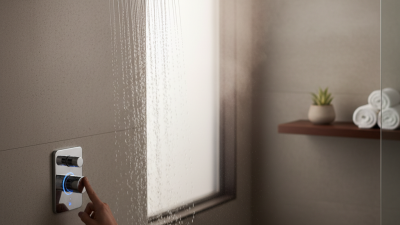
Innovative technology enhancements are redefining shower experiences. Touchless controls, integrated water-saving features, and app connectivity allow users to tailor their settings. For example, users can adjust temperature and water flow via smartphone apps, a feature supported by recent studies showing that smart devices can reduce water consumption by up to 30%. Yet, as technology advances, questions arise about privacy and data security. Collecting personal data for customization may make some consumers hesitant.
The ideal balance between luxury and practicality is still being established. While many enjoy the benefits of smart showers, not all homes are equipped for such upgrades. Moreover, installation costs can discourage potential buyers. The focus should remain on creating solutions that cater to various demographics, ensuring access to this technology is more widespread. Adapting to consumer needs while maintaining innovation poses a significant challenge for manufacturers.
Eco-Friendly Features: Sustainability Trends in Shower Design
In 2026, the design of shower heads will focus heavily on eco-friendly features. Many consumers seek sustainable options that reduce water waste. Innovations include low-flow shower heads that maintain pressure while using less water. This technology can save thousands of gallons annually, appealing to environmentally conscious buyers.
Biodegradable materials are becoming increasingly popular in shower design. Manufacturers experiment with plant-based components that break down over time. This shift reflects a wider trend toward reducing plastic usage in home fixtures. However, the durability of these materials raises questions. Will they last as long as traditional options? Or will consumers need to replace them more frequently?
Energy-efficient heating systems are also gaining traction. These systems warm water more efficiently, lowering energy bills. They are often paired with smart home technology, providing users with control and convenience. Yet, not every home is compatible with these systems. Homeowners may need to invest in retrofitting. Balancing innovation with practicality is essential in the evolving landscape of shower design.
Aesthetic Styles: Popular Designs and Finishes for 2026
In 2026, shower heads are set to embrace unique aesthetic styles. Homeowners are increasingly opting for finishes that add character.
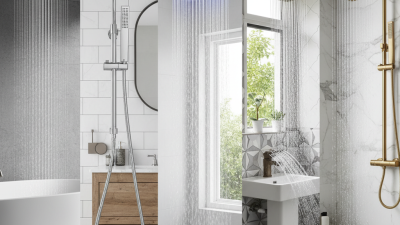
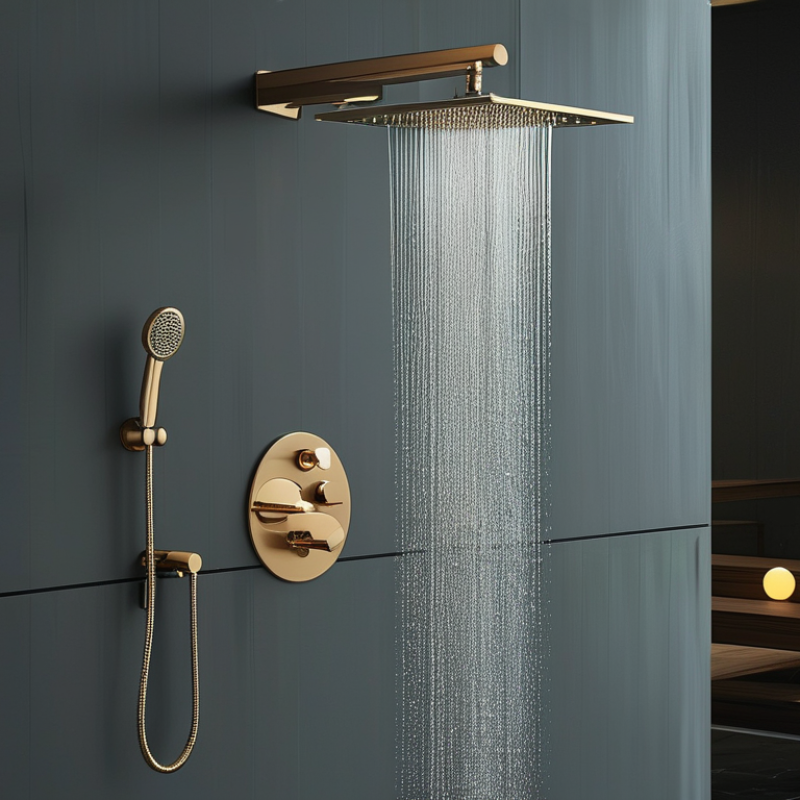
Matte black has gained popularity for its sleek, contemporary look. This finish pairs well with various bathroom color schemes, offering versatility. Other trending finishes include brushed gold and polished bronze. These options bring a warm, inviting feel to the space.
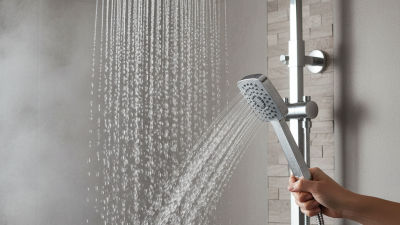
Designs are also evolving. Geometric shapes are a hit, with angular head designs taking center stage. These bold shapes can elevate the visual appeal of any shower. Additionally, multi-functional heads are becoming a must-have. They offer both rain and handheld options, making them practical.
However, some worry about the balance between form and function. A beautifully designed shower head must also perform well.
The trend also shifts towards sustainable materials. Eco-friendly options are now more widely available. This move pleases environmentally-conscious buyers. Yet, concerns persist about the durability of these materials. Homeowners must weigh aesthetics against longevity. Overall, the shower head trends of 2026 promise to be exciting and visually striking, yet may require careful consideration.
Key Considerations for Buyers When Choosing Head Showers
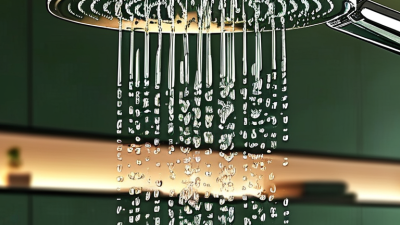
When choosing a head shower, buyers should consider several key factors. First, water pressure matters. A powerful spray can enhance your shower experience. Test different settings to find the perfect one. Take note of the spray patterns. Rainfall, mist, or massage options can alter your routine and bring relaxation.
Another critical consideration is the showerhead material. Stainless steel and high-quality plastics often ensure durability and ease of cleaning. A well-designed head shower can resist limescale buildup. Look for features like adjustable angles for better coverage. This flexibility allows for a more tailored experience, catering to individual preferences.
Finally, installation is a factor often overlooked. Some head showers require expert installation, while others are user-friendly. Understand your plumbing before purchasing. While aesthetics are essential, functionality should be the priority. Reflect on what truly enhances your daily ritual. Balancing design and practicality will lead to a satisfying choice.
Top Head Shower Trends in 2026 What Buyers Need to Know
| Trend |
Key Consideration |
Description |
Expected Impact |
| Smart Showers |
Technology Integration |
Incorporating Bluetooth and app controls for personalized experience. |
Increased user comfort and customized settings. |
| Eco-friendly Materials |
Sustainability |
Use of recycled and sustainable materials in manufacturing. |
Positive environmental impact and appeal to eco-conscious consumers. |
| Multi-Function Showerheads |
Versatility |
Showers offering various spray patterns and settings. |
Enhanced user experience and satisfaction. |
| Water-saving Features |
Efficiency |
Showerheads designed to reduce water usage without sacrificing performance. |
Cost savings on water bills and conservation of resources. |
| Customizable Designs |
Aesthetic Appeal |
Wide range of styles and finishes to fit personal taste and bathroom decor. |
Enhanced bathroom aesthetics and increased property value. |