What Is a Shower Head Combo and How Does It Work?
page_banner

What Is a Shower Head Combo and How Does It Work?

A Shower Head Combo combines a fixed showerhead with a detachable handheld unit, usually connected by a diverter and flexible hose. This arrangement creates two spray positions: one rinses the shoulders evenly, while the handheld head reaches children, pets, tiled corners, and hard-to-clean surfaces. Some models add multiple spray settings, thermostatic controls, or slide bars. The details matter.

Water efficiency is also part of the decision. The U.S. Environmental Protection Agency’s WaterSense program states that labeled showerheads use at least 20% less water while maintaining equal or better performance. Standard showerheads may use 2.5 gallons per minute, while WaterSense models use no more than 2.0 gallons per minute. Across repeated showers, that difference can reduce both water and heating demand. The global showerhead market is projected to expand steadily, according to Grand View Research’s 2024 industry analysis, driven partly by bathroom upgrades and water-saving products.

Veronica Blette, an EPA WaterSense expert, has stated, “WaterSense labeled products use at least 20 percent less water and perform as well as or better than standard models.” Her point is practical, not decorative. A well-designed Shower Head Combo should maintain pressure, avoid awkward hose drag, and fit the existing plumbing. Yet performance claims deserve scrutiny. A low-flow model may feel weak in a large shower. A dual-head system may also consume more water when both outlets run together. Installation height, water pressure, and spray design can change the experience considerably. This guide examines how the system works, where it performs well, and where expectations may need adjustment.
What Is a Shower Head Combo and How Does It Work?

What Is a Shower Head Combo?

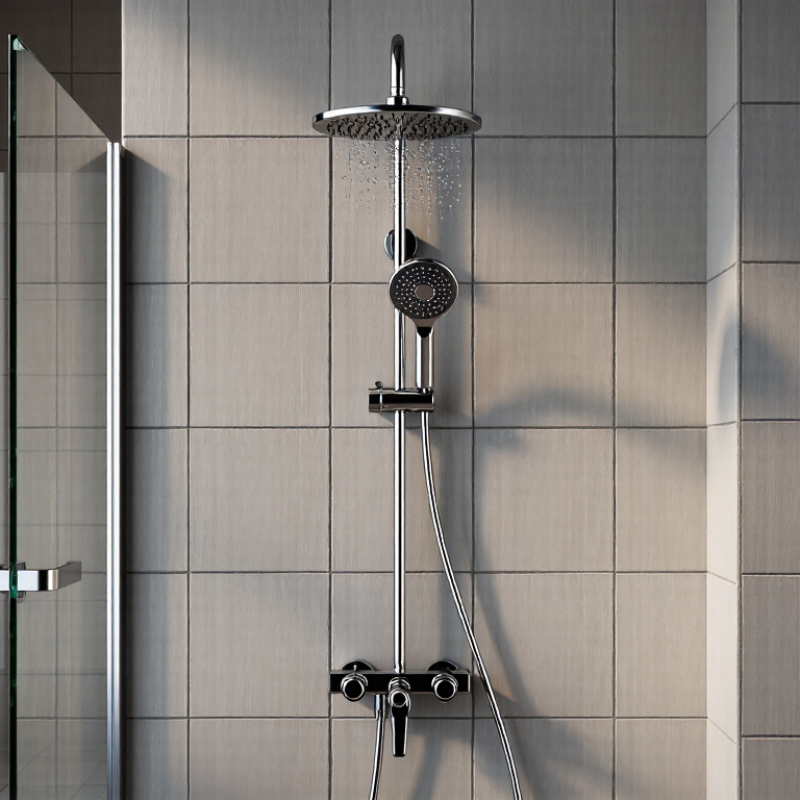
A shower head combo is a single shower system with two water outlets. It usually combines a fixed shower head with a handheld sprayer. Some models connect both outlets through a diverter valve. This valve directs water to one outlet or allows both to run together. The handheld part often rests on a wall bracket. A flexible hose connects it to the water supply.

This design adds control during everyday washing. The fixed head can cover the shoulders, while the handheld sprayer rinses hair, feet, or tiled walls. In real use, water pressure matters more than many shoppers expect. Running both outlets may weaken the spray. Older pipes can make that problem worse. I have also found that a poorly sealed hose connection creates a slow, annoying drip. It is a small detail, but it affects comfort and water use.

Tips: Check the valve position before installation. Confirm that the hose reaches comfortably without pulling. Clean the spray openings with a soft brush. Avoid forcing blocked nozzles with sharp tools. Measure the existing connection and inspect the washer inside it. If pressure changes suddenly, pause and check the diverter, filter, and plumbing. Instructions differ between systems, so treating every combo as identical can lead to mistakes.

What Is a Shower Head Combo and How Does It Work?

A shower head combo combines a fixed shower head with a handheld shower head. A diverter sends water to one outlet or, when supported, to both outlets at the same time. The chart shows calculated water use for a 10-minute shower using recognized flow-rate limits.

Water use is calculated as flow rate multiplied by 10 minutes. A single outlet at 2.5 gallons per minute uses up to 25 gallons, while two outlets flowing at 2.0 gallons per minute each use 40 gallons combined. Actual performance varies with water pressure and the product's flow restrictor.

What Parts Make Up a Shower Head Combo?

A shower head combo combines a fixed shower head with a handheld sprayer. The fixed head stays mounted overhead and spreads water across the shoulders. The handheld unit connects through a flexible hose. It can rinse hair, clean the tub, or help children bathe safely. Many users appreciate this flexibility every day.

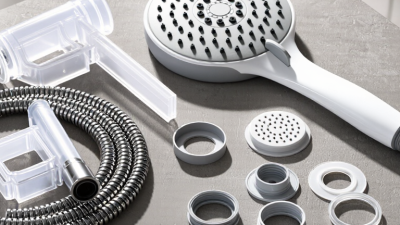
Several parts make the system work together. The shower arm extends from the wall and supports the fixed head. A diverter valve directs water between the fixed head, handheld sprayer, or both. The handheld head usually rests in a wall bracket or sliding rail. The hose carries water from the outlet to the sprayer. Small washers and screen filters help prevent leaks and catch debris. Some models also include a flow regulator. That part can reduce water use, although it may slightly weaken spray pressure.

Inside the wall, the supply pipe connects to a control valve. This valve manages temperature and volume. Turning the handle opens a balanced flow of hot and cold water. The diverter then selects the outlet. During installation, tight connections matter, but excessive force can damage threads. I have found that a misplaced washer often causes a slow drip. It is an easy detail to overlook. Water pressure also changes performance. A combo may feel weak in an older bathroom, even when every part works correctly.

How Does a Shower Head Combo Work?

A shower head combo pairs a fixed shower head with a handheld sprayer. Both connect to one water supply line. A diverter valve controls which outlet receives water. Some models allow both outlets to run together.

The process is simple. Water enters through the shower arm and reaches the diverter. Turning the lever redirects water toward the overhead head, the handheld hose, or both. Small internal channels shape the flow through spray nozzles. These nozzles divide the stream into many narrow jets, creating different patterns.

Pressure matters here. If the home supply is weak, using both outlets may produce a softer spray. I once assumed more nozzles meant stronger water, but the opposite can happen. Flow is being shared. A pressure-balancing valve may also adjust temperature when other fixtures operate nearby. That detail improves comfort and reduces sudden heat changes.

Installation usually involves sealing threaded connections and checking every joint for leaks. The handheld hose should hang without sharp bends. Mineral deposits can partly block the nozzles over time. Wiping them regularly helps maintain an even spray. Still, cleaning cannot fix an undersized pipe or poor household pressure. That limitation is easy to overlook.

What Spray Settings Can a Shower Head Combo Offer?

A shower head combo pairs a fixed shower head with a handheld sprayer. A diverter sends water to either outlet or both at once. The fixed head usually covers the shoulders, while the handheld unit reaches lower legs, walls, and hard-to-rinse areas. Pressure matters. A clean filter and suitable water flow can improve the experience, but no setting can create pressure that the plumbing does not supply.

Spray settings give the combo its practical value. Rain spray releases broad, gentle droplets for everyday washing. A focused jet feels stronger and helps rinse thick hair or shampoo near the scalp. Massage spray uses pulsing streams against the shoulders and neck. Mist spray creates very fine droplets, which feel soft but may cool quickly. Some models offer a mixed setting, blending rain and massage for balanced coverage. Pause or trickle mode reduces flow while shaving or applying soap, although it may not stop water completely.

I often adjust from rain to jet when rinsing conditioner. The change is small, yet useful. The handheld sprayer also makes cleaning the tub less awkward. However, spray labels are not perfectly consistent. One “massage” mode may feel mild, while another can feel sharp on sensitive skin. Test each setting briefly, keep the nozzle at a comfortable distance, and check whether the diverter changes smoothly. A setting that looks impressive in a product description may feel ordinary in a real bathroom.

How Do You Choose and Install the Right Shower Head Combo?

A shower head combo usually combines an overhead shower with a handheld sprayer. A diverter sends water to either outlet or both. Before choosing one, check your water pressure and pipe size. A model designed for strong pressure may perform poorly in a low-pressure home. That detail is easy to miss.

Measure the existing shower arm and the distance to the control valve. The handheld bracket should sit where every user can reach it safely. Look for a flexible hose, a secure wall mount, and a flow rate that fits local requirements. Adjustable spray settings help, but too many settings can make cleaning frustrating. I prefer simple controls with clear movement. In my experience, comfort matters more than a long feature list.

Installation normally requires an adjustable wrench, thread-sealing tape, and a soft cloth. Turn off the water, remove the old head, and clean the exposed threads. Wrap the tape in the thread direction, then tighten the connector by hand. Use the wrench gently; overtightening can damage the fitting. Attach the hose and handheld unit, keeping the washer seated inside each connection. Turn on the water slowly and inspect every joint for leaks. I once skipped that final check and found a small drip under the bracket later. If the wall feels weak or the pipe connection is hidden, a qualified plumber should inspect it before installation.

What Is a Shower Head Combo and How Does It Work? - How Do You Choose and Install the Right Shower Head Combo?

Practical guide to shower head combo types, selection factors, and installation requirements
Data Dimension Shower Head Combo Information Typical Options or Measurements Selection and Installation Guidance
Definition A shower head combo combines two shower outlets in one system. One outlet is commonly a fixed shower head, while the other is a handheld shower head connected by a flexible hose. Fixed head, handheld head, or both used together Choose a combo when you want flexibility for rinsing, cleaning, bathing children, or using the shower while seated.
How It Works Water enters through the shower arm or wall connection and is directed through a diverter valve or selector. The valve determines which outlet receives water. Fixed-only, handheld-only, or dual-flow operation Confirm that the diverter position is easy to operate and that the plumbing connection matches the system design.
Main Configuration The most common configuration includes a wall-mounted fixed head, a detachable handheld head, a hose, and a holder or docking bracket. 2 outlets with 1 flexible hose Make sure the holder is installed at a comfortable height and allows the handheld head to be removed easily.
Spray Patterns Spray settings change the shape and intensity of the water stream. Common patterns include full spray, massage spray, concentrated spray, and pause or trickle mode. Usually 2–6 selectable patterns More spray settings provide versatility, but simple controls are generally easier to clean and maintain.
Water Pressure A shower head combo does not automatically increase the home's water pressure. Using both outlets at the same time may reduce the flow available at each outlet. Performance depends on household pressure, pipe size, and flow restriction Check the home's water pressure before selecting a dual-flow model. A pressure-balancing or flow-control feature can improve consistency.
Flow Rate Flow rate indicates how much water the shower head uses over time. Lower-flow models can reduce water consumption while maintaining a comfortable spray. Common regulated limits are approximately 2.5 gallons per minute in the United States and 9.5 liters per minute in many equivalent metric specifications Review the product's certified flow rate and local plumbing requirements. The actual flow may vary with water pressure.
Connection Size Many residential shower connections use a standard 1/2-inch pipe thread, but older or specialized plumbing may differ. Common residential connection: 1/2-inch pipe thread Measure or identify the existing connection before purchase. Use a suitable adapter only when required and compatible with the plumbing.
Hose Length The hose determines the usable reach of the handheld shower head and affects comfort during bathing and cleaning. Common lengths: approximately 60–84 inches Choose a longer hose for seated bathing, larger shower areas, or cleaning the enclosure. Avoid excessive length that may drag on the floor.
Mounting Height The fixed head should provide comfortable overhead coverage, while the handheld holder should be accessible to the primary users. Install according to user height, tub or shower layout, and existing plumbing Before drilling, hold the handheld bracket in several positions and verify that the hose reaches the water outlet without sharp bends.
Installation Method Many combo systems attach to an existing shower arm or wall connection and can be installed without opening the wall. Threaded connection, diverter, hose, and holder Turn off the water, remove the existing head, clean the threads, apply suitable thread-sealing tape when specified, and tighten by hand before making a small final adjustment.
Leak Prevention Leaks commonly occur at threaded joints, hose connections, or worn washers rather than in the spray face itself. Rubber or silicone washers at connection points Install the correct washer at each joint, avoid overtightening, and test all connections for several minutes after installation.
Material Considerations Shower heads may use corrosion-resistant metals, engineering plastics, or a combination of materials. Metal or reinforced polymer construction Select materials suitable for constant exposure to water, temperature changes, and cleaning products. Smooth surfaces are easier to maintain.
Cleaning and Maintenance Mineral deposits can block spray nozzles and reduce flow. Flexible rubber nozzles are generally easier to clear than rigid openings. Regular wiping; periodic descaling based on water hardness Wipe the spray face regularly and use a manufacturer-approved descaling method. Avoid abrasive tools that can damage the finish or nozzles.
Accessibility A handheld shower head can make bathing easier for children, older adults, and people who prefer seated or targeted rinsing. Adjustable holder and reachable controls Position the holder and diverter where they can be reached safely. For accessibility projects, follow applicable building and safety requirements.
Best Choice for Small Showers A compact combo with a short or adjustable holder can provide two functions without occupying excessive wall space. Compact fixed head, removable handheld head, space-saving mount Check door clearance, wall width, and hose storage space before installation.
Best Choice for Low Water Pressure A model designed for efficient spray formation may feel more comfortable than a high-flow model, although it cannot overcome severe plumbing limitations. Efficient spray channels and moderate flow restriction Inspect household shutoff valves, filters, and supply lines if pressure is unusually low before replacing the shower head.
Installation Test A complete test checks the diverter, spray patterns, hose movement, holder stability, and all threaded joints. Test fixed mode, handheld mode, and dual mode if available Run the water at normal pressure, switch between settings, inspect for leaks, and retighten only as needed.
Quick selection rule: Choose a shower head combo by matching the connection size, flow rate, hose length, mounting position, spray functions, and available water pressure to the needs of the bathroom and its users.