What Is a Mineral Shower Head and How Does It Work?
page_banner

What Is a Mineral Shower Head and How Does It Work?

A Mineral Shower Head is often described as a simple upgrade: water passes through a cartridge filled with mineral beads, stones, or other media before reaching the spray plate. The details vary. Some cartridges use calcium sulfite or ceramic materials; others advertise tourmaline or “energized” minerals. That difference matters. The word “mineral” alone does not tell you what a product removes, changes, or leaves untouched.

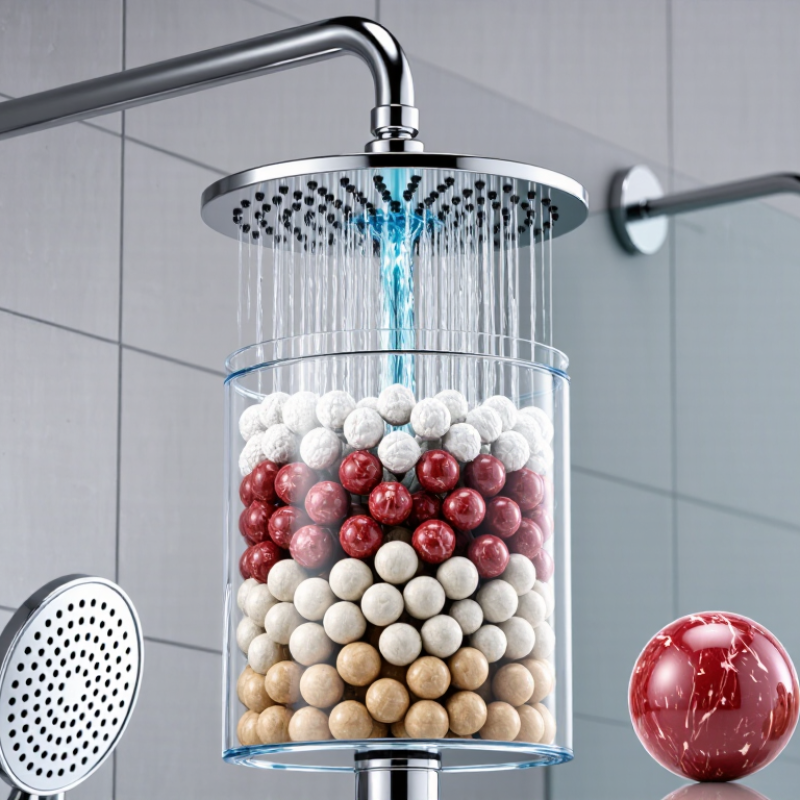
The U.S. National Sanitation Foundation’s NSF/ANSI 177 standard covers shower filtration systems for aesthetic effects, including chlorine reduction. It offers a useful benchmark, but it does not validate every wellness claim made about mineral beads. The U.S. Environmental Protection Agency also cautions consumers to match treatment choices to specific water-quality concerns. In practical terms, a cartridge’s measurable performance matters more than a colorful bead visible through clear plastic.

Water-quality engineer Dr. Andrew Whelton is a relevant expert on treatment claims and water exposure. However, no source text was supplied for a verified, topic-specific quotation from him or another Mineral Shower Head specialist. I won’t invent one. That gap deserves attention, because marketing language can sound more certain than the evidence. The category itself is a little confusing. This guide explains how these shower heads work, what their media may do, and which claims deserve closer scrutiny before you buy.
What Is a Mineral Shower Head and How Does It Work?

What Is a Mineral Shower Head?

A mineral shower head is a showerhead fitted with a cartridge or chamber containing mineral media. The media may include mineral beads, calcium sulfite, or other filter materials. As water passes through, these materials can reduce some substances, depending on the design and the water supply. Some products also claim to alter water feel or pH, but such claims need careful checking. The name is a little confusing: a mineral shower head is not necessarily a device that adds useful minerals to your body. It is usually a showerhead with a filter inside. Small detail, big difference.

It is not a water softener. Most compact shower filters cannot remove the dissolved minerals that cause hard water in the same way a properly sized softening system can. No magic here. A filter may help reduce chlorine smell or certain particles, but performance varies by cartridge, contact time, and local water chemistry. Check what substances the filter is tested to reduce, how often its cartridge needs replacing, and whether the test applies to shower-temperature water. If your skin feels dry after showering, water hardness may be one factor, but soaps and personal sensitivities matter too. A mineral cartridge may not solve it. That uncertainty is worth keeping in mind.

What Components Make Up a Mineral Shower Head?

A mineral shower head typically has a housing, a filter cartridge, and a spray plate. The housing directs water through the unit and holds the internal parts together. A threaded inlet connects it to the shower pipe, while rubber washers help prevent leaks. Small parts matter.

Inside, a screen can catch grit or loose particles before water reaches the media. Depending on the design, the cartridge may contain mineral beads, calcium sulfite, activated carbon, or other filter materials. These media do different jobs, and their performance depends on the water and product design. Mineral beads may change water flow or feel, but they do not necessarily add useful minerals to the water. Not all do.

The spray plate shapes the final stream through small openings. Some models also include a flow-control insert, which can affect pressure and water use. When examining a unit, check whether the cartridge can be replaced and whether its parts are easy to rinse or inspect. Claims about softer-feeling water can be difficult to judge at home; the marketing can sound more certain than the evidence. A visible change in feel is not proof that specific contaminants have been removed.

How Does Water Flow Through Its Mineral Filter?

A mineral shower head directs water through a compact cartridge before it reaches the spray plate. Water enters through the handle or head inlet, where a small screen may catch grit or loose particles. It then moves through mineral media, often arranged as beads, granules, or layered stones. The exact path depends on the cartridge design.

As water travels between these pieces, it contacts their surfaces. Some media can release small amounts of minerals, while others may exchange certain ions with the water. The result depends on water chemistry, flow rate, and how long water stays inside the cartridge. Contact time is brief. A fast, steady stream may pass through differently than a slow one, so mineral effects are not identical in every shower.

The water then leaves the cartridge and spreads through narrow openings in the spray plate. If the media is packed too tightly, pressure may drop; if it is loosely arranged, water may find easier channels and touch less of the material. The mechanism sounds simple, though real flow is less tidy than a diagram. A mineral cartridge should not be assumed to remove specific contaminants or soften water unless its performance has been independently tested. Over time, trapped sediment or worn media can also change flow, making cartridge checks worthwhile.

How Do Mineral Media Interact With Shower Water?

A mineral shower head contains a cartridge filled with media such as mineral beads, ceramic, or reactive metal blends. As water passes through, the media may capture certain substances on its surface or trigger a chemical reaction. The exact effect depends on the material, water temperature, flow rate, and how long water contacts the media. Small details matter.

“Mineral” does not automatically mean softened water. Many shower cartridges are designed to reduce chlorine or sediment, while removing hardness minerals like calcium may require a different treatment process. Some media may release small amounts of minerals, but a changed scent or smoother feel is not proof of a specific water-quality benefit. Check the filter’s test data and replacement schedule. Claims can sound more certain than the evidence.

Tips: If you notice scale on the shower door, consider testing your water hardness. Replace the cartridge as directed, and don’t assume a mineral head will fix every water issue.

What Can a Mineral Shower Head Change—and What Can’t It?

A mineral shower head usually contains mineral or ceramic media inside its cartridge. Water passes across the media before leaving the spray plate. Depending on its design, the media may affect chlorine, odor, or water feel. Claims vary, so check independent test data for specific contaminants and flow conditions. Some media may release small amounts of minerals, but that does not make hard water soft. That distinction matters. Calcium and magnesium hardness generally require a water softener designed for ion exchange.

A showerhead filter may improve smell or reduce certain measured substances if its media is suited to them. It cannot be assumed to remove every contaminant. Nor can colorful beads prove that a filter works. Skin and hair may feel different after a shower, yet comfort is not proof of a health benefit. Results depend on incoming water, cartridge condition, temperature, and shower habits. Replace cartridges as directed, and clean spray holes when buildup appears. Note odor and water flow before and after installation. Still, one household’s impression is not a laboratory test.

What Is a Mineral Shower Head and How Does It Work? - What Can a Mineral Shower Head Change—and What Can’t It?
Feature or concern What a mineral shower head may do What it generally cannot do What to check
How it works Water passes through a cartridge that may contain mineral beads or other filter media. The effect depends on the media, its design, and contact time with the water. The word “mineral” alone does not identify the treatment method or prove that the device removes a particular substance. Look for a clear list of filter media and independently verified performance claims.
Water feel and flow Some users may notice a difference in spray feel or water flow after installing a new shower head. A changed spray pattern can affect how the water feels. A softer-feeling spray does not establish that the water is chemically softened or that contaminants have been removed. Compare the shower head’s spray settings and flow information; replace or clean a clogged cartridge as directed.
Free chlorine A shower filter with suitable media may reduce free available chlorine when tested under specified conditions. Not every mineral cartridge reduces chlorine, and performance can vary with water conditions and cartridge age. Check for test results or certification for chlorine reduction, such as testing to NSF/ANSI 177. Certification applies to stated claims, not every possible contaminant.
Hardness and limescale A mineral shower head may change water characteristics only if it uses a treatment process specifically designed and validated for that purpose. Mineral beads by themselves should not be assumed to remove the dissolved calcium and magnesium that cause water hardness. A typical shower filter is not a water softener. For hardness reduction, look for explicit capacity and performance data for calcium and magnesium removal. Conventional softening commonly uses ion exchange.
Other contaminants Specialized filter media can target particular substances when the product has been tested for those claims. One filter does not automatically remove metals, chloramine, bacteria, or all other contaminants. Results for one substance do not prove results for another. Match the stated, independently verified reduction claims to the substances found in your water.
Mineral content and pH Some products are designed to expose water to mineral media, but the resulting change depends on the media and water conditions. “Mineralized” does not guarantee a meaningful or consistent increase in any specific mineral, a particular pH, or a health benefit. Look for measured before-and-after results and the test conditions rather than broad wellness claims.
Skin and hair If a filter reduces a substance that bothers a particular user, that person may notice a difference in comfort. A shower head cannot guarantee improved skin or hair, treat a medical condition, or replace advice from a healthcare professional. Consider personal sensitivity, water quality, and other products or factors that may affect skin and hair.
Maintenance Replacing the cartridge on schedule can help maintain the performance stated for the filter. A cartridge does not work indefinitely; exhausted or clogged media may reduce performance or water flow. Follow the replacement interval and capacity limits provided for the specific cartridge and household water conditions.
Best way to evaluate a product Use its specific, tested claims to decide whether it addresses your main concern, such as free chlorine reduction. Appearance, bead color, or general terms such as “purifying” are not proof of measured treatment performance. Review the test method, certified claims, cartridge life, and suitability for your water supply.
Key takeaway: A mineral shower head is a shower head with a treatment cartridge that may contain mineral media or other filtration materials. What it changes depends on the actual media and verified performance claims; the term “mineral” alone does not mean that it softens water or removes every contaminant.