7 Best Mineral Shower Heads for Global Buyers
page_banner

7 Best Mineral Shower Heads for Global Buyers

Choosing the right Mineral Shower Head is not simply a matter of counting mineral beads or admiring a polished chrome finish. Global buyers face different water conditions, thread standards, pressure levels, and replacement rules. Hard water may leave white scale on glass, while treated municipal water can contain noticeable chlorine. A compact shower filter can feel useful, but its performance depends on the media, flow rate, and maintenance schedule.

The World Health Organization’s 2022 Joint Monitoring Programme reported that 2.2 billion people lacked safely managed drinking water services in 2022. This figure does not prove that every shower needs filtration, but it highlights why water quality should be assessed locally. Buyers should check municipal reports, supplier test data, and recognized certification before trusting broad wellness claims. NSF/ANSI 177, for example, addresses shower filtration systems designed to reduce free available chlorine. It does not automatically verify every mineral-based claim.

Efficiency matters, too. The U.S. Environmental Protection Agency’s WaterSense program states that certified showerheads can save an average household about 2,700 gallons of water annually. However, not every Mineral Shower Head carries WaterSense approval. That distinction is easy to overlook. Our comparison therefore considers filtration evidence, spray comfort, pressure performance, cartridge life, installation fit, and after-sales support. We also examine whether advertised minerals have measurable benefits or merely improve the product’s appearance.

Some conclusions remain imperfect. Water chemistry varies widely between homes, and user experience cannot replace laboratory testing. Still, these seven options offer a practical starting point for buyers seeking cleaner-feeling showers, easier maintenance, and credible performance across international markets.
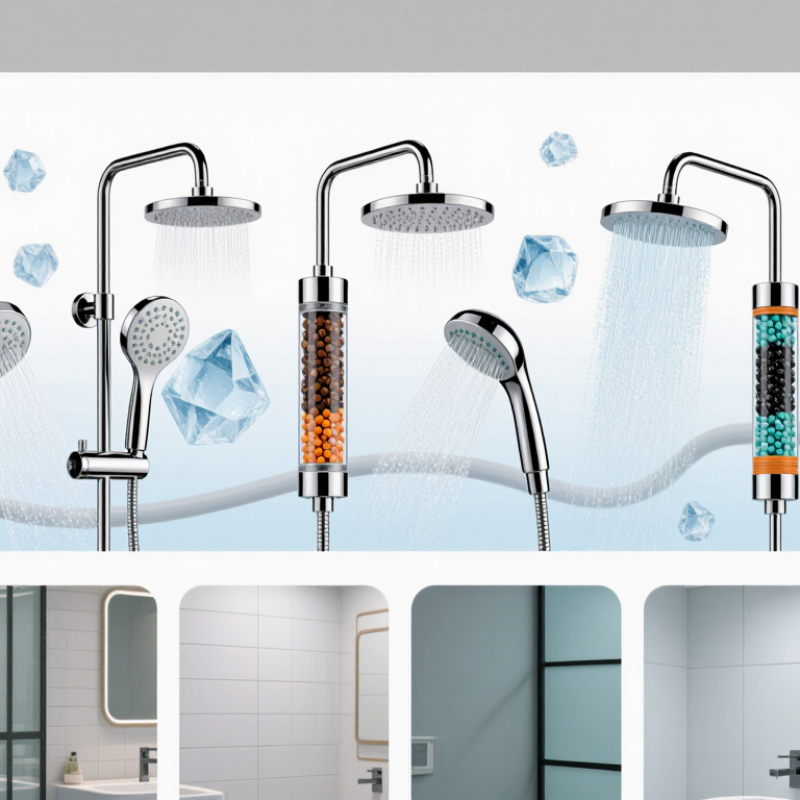
7 Best Mineral Shower Heads for Global Buyers

What Mineral Shower Heads Are and How They Work

Mineral shower heads are shower fittings that use mineral-based beads, ceramic media, or other conditioning materials. Their purpose varies. Some products aim to reduce chlorine, while others claim to alter water hardness or add trace minerals. The term has no universal technical definition, so buyers should inspect the filter media and test claims carefully. The U.S. Geological Survey classifies water above 180 milligrams per liter as calcium carbonate as very hard. Hard water can leave white scale on glass, faucets, and dark hair. It does not automatically mean unsafe water.

How do they work?

Water passes through a cartridge before reaching the spray plate. Certain media can reduce chlorine through chemical reactions or adsorption. However, most shower filters do not remove every dissolved mineral. NSF/ANSI 177 specifically evaluates shower filtration systems for chlorine reduction, not broad purification. The U.S. Environmental Protection Agency also limits standard showerhead flow to 2.5 gallons per minute, which affects pressure and contact time.

Small details matter.

In practice, I would compare certified performance, cartridge life, and local water quality. A heavily scaled cartridge may reduce flow within weeks. Marketing language can sound more precise than the evidence. Mineral beads may feel useful, but their effect depends on water chemistry and maintenance. That uncertainty deserves honest attention.

Key Features for Comparing Mineral Shower Heads Worldwide

7 Best Mineral Shower Heads for Global Buyers

Key Features for Comparing Mineral Shower Heads Worldwide

Mineral shower heads vary widely in design and performance. Compare the media first, not the marketing label. Some use calcium sulfite, activated carbon, ceramic balls, or mixed mineral stones. Their results depend on water temperature, flow rate, and contact time. NSF/ANSI 177 evaluates shower filtration systems for free available chlorine reduction. It does not certify every mineral or skin-care claim. This distinction matters.

Water hardness is another practical factor. The U.S. Geological Survey classifies water as moderately hard at 61–120 mg/L, hard at 121–180 mg/L, and very hard above 180 mg/L as calcium carbonate. Hard water can leave white scale on nozzles and glass. The World Health Organization’s drinking-water guidelines state that hardness is mainly an acceptability and scaling issue, rather than a direct health threat at typical levels. A mineral cartridge may not remove hardness minerals. That is easy to misunderstand.

Tips: Check independent test data, cartridge capacity, replacement access, inlet size, and operating temperature. A bathroom in Nairobi, London, or São Paulo may need different filtration choices. Confirm local water reports before buying. Also measure flow. A strong spray can feel better, but excessive flow wastes water. Some products promise too much. I would treat dramatic hair and skin claims cautiously, especially when no laboratory method is disclosed. Look for clear performance limits and readable instructions.

The 7 Best Mineral Shower Heads for Global Buyers

7 Best Mineral Shower Heads for Global Buyers

The 7 Best Mineral Shower Heads for Global Buyers should be judged by evidence, not glossy claims. In practice, hard water can leave white scale around spray nozzles and a rough film on bathroom glass. The U.S. Geological Survey classifies water above 180 milligrams per liter as very hard. However, a mineral shower head rarely softens water unless it uses genuine ion-exchange media. Many cartridges only reduce chlorine or sediment. That difference matters.

For global buyers, the seven strongest selection points are filtration media, verified performance, replacement cost, flow rate, thread compatibility, housing durability, and transparent testing. The U.S. Environmental Protection Agency’s WaterSense specification limits certified showerheads to 2.0 gallons per minute, or about 7.6 liters. Lower flow can save water, but weak pressure may disappoint users in tall buildings. NSF/ANSI 177 evaluates chlorine reduction in shower filtration, not every mineral-related claim. Read the test scope carefully.

Check local water conditions before purchasing. A compact cartridge may clog quickly in areas with visible sediment. Stainless steel can resist corrosion, but seals often fail first. This is easy to overlook. The World Health Organization reports no health-based guideline value for calcium or magnesium in drinking water, so “mineral-rich” does not automatically mean healthier skin. Reliable sellers should publish laboratory methods, service intervals, and compatibility details. I would also question dramatic promises about detoxification or permanent scale removal; the science is not that generous.

How to Choose a Model for Your Water Quality and Needs

7 Best Mineral Shower Heads for Global Buyers

Choosing a mineral shower head starts with your water report, not the cartridge label. The USGS classifies water as hard at 121–180 mg/L of calcium carbonate and very hard above 180 mg/L. Hard water can leave white scale on tiles, glass, and hair. However, the World Health Organization reports no health-based guideline value for water hardness. Mineral beads may improve feel or reduce some odors, but they usually do not soften water. Check the tested removal claims carefully. I have seen attractive filters fail when buyers ignored local chemistry.

Match the model to your daily conditions. Carbon media may help with chlorine and odor, while genuine softening requires ion exchange. Sediment-heavy supplies need a pre-filter. The US EPA WaterSense specification limits qualifying showerheads to 2.0 gallons per minute, or about 7.6 liters. That level can reduce water use without making the spray feel weak. Still, pressure, pipe size, and elevation affect the result. A shower head cannot repair poor plumbing.

Tips: Request a recent water report or test for hardness, chlorine, iron, and sediment. Replace cartridges by measured capacity, not advertising alone. Watch the spray pattern after four weeks. If scale returns quickly, reconsider the filter type. WHO data also reminds buyers that “mineral” does not automatically mean healthier. That assumption needs testing.

7 Best Mineral Shower Heads for Global Buyers - How to Choose a Model for Your Water Quality and Needs

Model Type Primary Filter Media Best Suited Water Quality Typical Chlorine Reduction Typical Flow Rate Cartridge Life Main Strength Important Limitation
KDF Mineral Filter Shower Head Copper-zinc alloy with sediment screen Chlorinated municipal water with trace metals or sediment concerns Performance varies by contact time, temperature, and certification; commonly tested for substantial reduction 1.5–2.5 gallons per minute (5.7–9.5 L/min) Approximately 3–6 months, depending on water quality and household use Works better than standard carbon in warm shower water for some contaminants Not a universal solution for hardness, bacteria, or dissolved salts
Calcium Sulfite Filter Shower Head Calcium sulfite media with sediment filtration Municipal water containing free chlorine, especially hot-water applications Often highly effective for free chlorine when tested under specified conditions 1.5–2.5 gallons per minute (5.7–9.5 L/min) Approximately 3–6 months or according to rated capacity Maintains chlorine-removal performance at shower temperatures Usually does not reduce hardness minerals such as calcium and magnesium
KDF plus Activated Carbon Shower Filter KDF copper-zinc alloy and activated carbon General municipal water with chlorine, odors, and moderate sediment Varies by media volume and test conditions; carbon is commonly used for chlorine and odor reduction 1.5–2.0 gallons per minute (5.7–7.6 L/min) Approximately 2–6 months Balanced choice for odor, chlorine, and basic particulate control Activated carbon can lose effectiveness faster in hot water or high-flow conditions
Multi-Stage Sediment and Mineral Media Head Mesh screen, calcium sulfite, and mineral-based media Water with visible particles, pipe debris, and free chlorine Depends on the chlorine-removal layer and independently verified test results 1.5–2.0 gallons per minute (5.7–7.6 L/min) Approximately 2–4 months where sediment levels are high Useful for protecting shower nozzles from particulate blockage A clogged sediment stage can reduce pressure and requires timely replacement
High-Flow KDF Inline Filter High-volume KDF media with coarse sediment filtration Large households or bathrooms where steady water pressure is important Product-specific; effectiveness depends strongly on media quantity and flow rate 2.0–2.5 gallons per minute (7.6–9.5 L/min) Approximately 3–6 months Typically offers lower pressure loss than dense multi-stage cartridges Higher flow may reduce contaminant contact time and filtration performance
Compact Universal-Thread Mineral Filter Small KDF, calcium sulfite, or mixed mineral cartridge Travel use, rental homes, and bathrooms with limited installation space Usually lower capacity than full-size filters; verify the manufacturer's test data 1.5–2.0 gallons per minute (5.7–7.6 L/min) Approximately 1–3 months with regular use Easy installation on common 1/2-inch shower connections Limited media volume may mean shorter service life and modest filtration capacity
Low-Flow Water-Saving Mineral Head Mineral filter cartridge with a flow restrictor Water-stressed regions, low-pressure systems, or buyers prioritizing water efficiency Depends on the selected media; lower flow can improve contact time but does not guarantee removal 1.0–1.5 gallons per minute (3.8–5.7 L/min) Approximately 3–6 months Uses less water than many standard 2.5 gallons-per-minute shower heads May provide a lighter spray and is unsuitable for users wanting very high flow
Selection note: Filter performance varies by water chemistry, flow rate, media quantity, and contact time. Check independently verified test results, replacement cost, connection size, and the local water-quality report before purchasing. Standard shower filters generally do not soften hard water or remove dissolved salts.

Installation, Maintenance, and International Buying Considerations

Choosing among the 7 best mineral shower heads starts with installation details, not appearance. Turn off the water and remove the old head carefully. Clean the pipe threads with a soft brush. Use suitable thread tape only on compatible tapered threads. Do not over-tighten the connection. A hand-tight fit plus a small adjustment is usually safer than force. The weak point is often the adapter.

Check the thread standard before international purchase. G1/2 is common, but NPT and BSP fittings are not automatically interchangeable. Confirm the product’s inlet size, water-pressure range, flow rate, and included accessories. A small adapter may solve the problem, but it can also reduce flow or create leaks. This detail is easy to overlook. Buyers should also review local water-efficiency requirements, product documentation, import charges, and return conditions.

Maintenance affects mineral filtration performance. Rinse the inlet screen monthly, especially where sediment is visible. Wipe the spray nozzles with a soft cloth. Replace mineral media according to usage, water hardness, and the maker’s tested schedule. Mineral beads do not remove every contaminant. They should not replace certified water treatment when testing shows a serious water-quality issue. Inspect the rubber washer after each service. Even experienced installers occasionally reuse a flattened seal, then blame the shower head for dripping. Keep spare washers and compatible cartridges available, because international delivery can take longer than expected.

7 Best Mineral Shower Heads for Global Buyers

Typical replacement intervals for commonly marketed shower-filter media

Installation

Most inline shower filters install between the shower arm and hose using standard pipe threads. Use the supplied gasket and avoid excessive tightening.

Maintenance

Intervals are indicative only. Replace media sooner when water pressure drops, odor returns, or the filter serves hard or heavily chlorinated water.

International Buying

Check thread standards, local water pressure, replacement availability, temperature limits, and certifications required in the destination market.

The chart shows representative service intervals commonly stated for these media types; actual performance varies with flow rate, water chemistry, temperature, and household usage.