How to Choose the Best Shower Head Set?
page_banner

How to Choose the Best Shower Head Set?

Choosing the best Shower Head Set is not just a matter of picking the largest spray face or the most polished finish. The right choice should fit your water pressure, bathroom layout, and daily routine. A handheld shower head can make rinsing easier, while a fixed head may create a cleaner, simpler setup. Check the hose length, mounting height, spray settings, and whether the set includes the components your shower actually needs. Small details matter. A brushed finish can show water spots differently from chrome, and a bulky rail may feel awkward in a narrow stall.

Plumbing and heating expert Richard Trethewey is known for practical guidance on home systems. A useful paraphrase of that approach is: “Match the fixture to your water system, not just the showroom.” This is a guiding principle, not a verified verbatim quotation. Before buying, compare the product’s pressure requirements with your home’s supply, and review its installation instructions. A premium-looking set may still disappoint if its spray feels weak or its controls are hard to reach. Even careful research has limits; water pressure can vary between homes, and product descriptions may not capture how a spray feels on your skin. This guide explores the features, materials, and practical checks that help narrow your options. The best choice is the one that works comfortably in your bathroom—not simply the one with the most settings.
How to Choose the Best Shower Head Set?

Understand the Components of a Shower Head Set

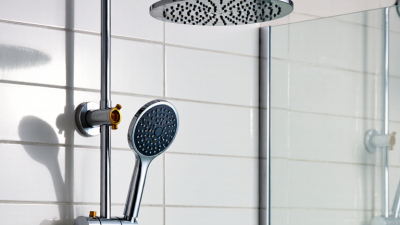
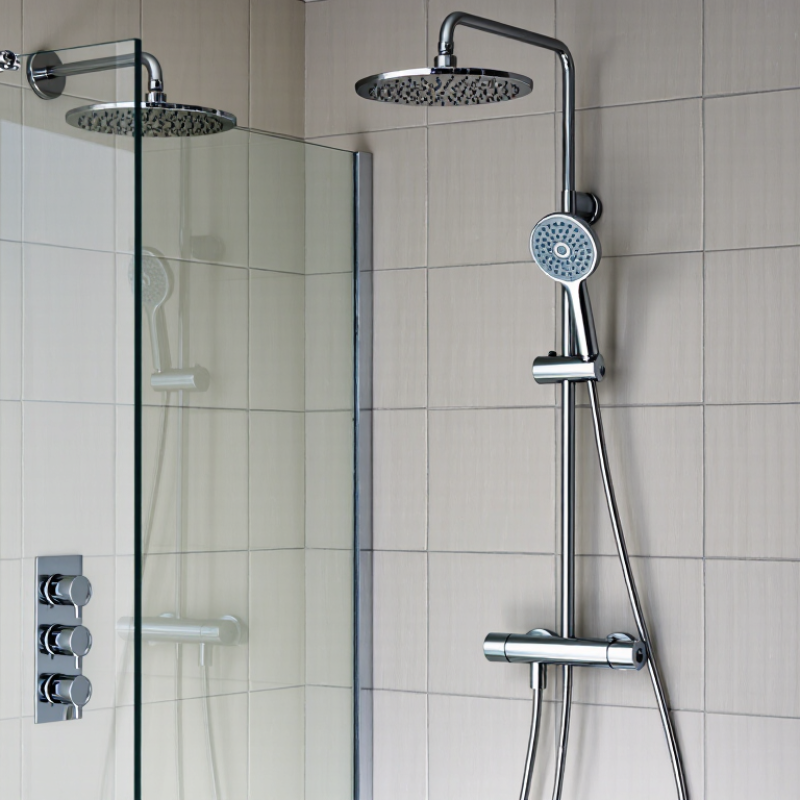
A shower head set is more than the visible spray face. Its main parts usually include the showerhead, shower arm, hose, hand shower, diverter, and control trim. The showerhead shapes the spray; the arm sets its reach and angle. A hand shower adds flexibility for rinsing, while the hose determines how far it can move. Small parts matter.

The diverter directs water between outlets, but its location and operation vary by design. The valve behind the wall controls flow and temperature; the trim is the handle and plate you see. These pieces must be compatible. Before choosing a set, check the existing valve type, pipe connection, and available wall space. A beautiful control plate cannot fix an incompatible valve. I have seen buyers focus on spray patterns and overlook hose length, which can make everyday use awkward.

Water efficiency is another component of the decision. The U.S. EPA WaterSense program says certified showerheads use no more than 2.0 gallons per minute, compared with the federal maximum of 2.5 gallons per minute for standard models. EPA estimates that replacing an older showerhead with a WaterSense-labeled model can save an average household 2,700 gallons of water annually. That figure is an estimate, not a promise; actual savings depend on use and the existing fixture. Check the flow rating alongside the included components, rather than judging a set by appearance alone.

How to Choose the Best Shower Head Set? — Understand the Components

Compare the rated flow limits shown below when choosing a showerhead. These U.S. limits are measured at 80 psi; actual flow can vary with water pressure and installation.

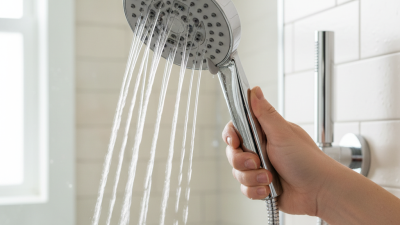
Know the parts: The showerhead shapes the spray, the hose connects a handheld head, the holder keeps it in place, and a diverter switches water between outlets. Check that the hose, connections, and diverter match your existing plumbing.

Check Plumbing Compatibility and Installation Requirements

Before choosing a shower head set, check what your plumbing can actually support. Look at the existing shower arm, wall outlet, and any separate hand-shower connection. Measure the exposed pipe and note its thread type; fittings that look similar may not match. Also check whether the set needs a diverter, a longer shower arm, or access behind the wall. Measure twice. A small mismatch can mean another hardware-store trip.

Water pressure matters, too. A large overhead head may feel weak if your home has low flow or several outlets running together. Check the product’s stated pressure and flow requirements against your home’s conditions, and consult a plumber if you cannot identify them. Turn off the water before removing existing parts, and protect the tub or shower floor with a towel. Follow the installation instructions rather than forcing a fitting; overtightening can damage threads or cause leaks. It is easy to assume a new set will fit because the old one did, but that assumption can be wrong. If installation requires opening a wall or changing concealed pipes, get qualified help before buying. A few careful checks now can prevent a damp cabinet or a loose shower arm later.

Compare Spray Patterns, Controls, and Adjustability

When choosing a shower head set, compare spray patterns under real bathroom conditions, not just names on the box. Rain-style sprays feel broad and gentle, while concentrated settings can rinse shampoo faster. A massage setting may help target sore shoulders, but its narrow stream can feel harsh on sensitive skin. Try switching patterns with wet fingers; controls that are slippery or stiff become frustrating quickly. Small detail. Big difference.

Check how the controls work and whether the head adjusts without twisting the hose. A handheld unit with a generous hose can reach a child, a pet, or the far corner of a tiled stall. Look for clear detents between settings, an accessible pause control, and a mount that holds the head at your preferred angle. EPA WaterSense’s showerhead specification limits labeled models to 2.0 gallons per minute and assesses spray force and coverage; the US federal maximum for standard showerheads is 2.5 gallons per minute. These figures help compare water use, but they do not guarantee that a spray will feel comfortable in your home. Water pressure and plumbing vary. A showroom test can mislead, too. Review the EPA WaterSense showerhead specification, then consider whether each setting feels useful, not merely impressive.

Evaluate Materials, Water Efficiency, and Maintenance

A dependable shower head set starts with materials, not appearance. Solid brass or stainless-steel fittings generally resist corrosion better than lightweight plated parts, while polymer components can keep the set affordable and easier to handle. Check the connection threads, hose flexibility, and finish around the joints; these small details often reveal how well a set may hold up. Water use matters, too. The U.S. EPA’s WaterSense program says certified showerheads use no more than 2.0 gallons per minute, compared with the federal maximum of 2.5. EPA estimates a family of four can save about 2,700 gallons of water each year by switching to a WaterSense model. I would not choose on flow rate alone: spray comfort varies, and a very frugal setting may feel disappointing.

Tips: Wipe the spray face after use. If mineral deposits clog the nozzles, follow the care instructions and use a soft brush; avoid harsh cleaners that can damage finishes. Check the hose and washers for drips every few months. A small leak is easy to ignore. It can still waste water. In hard-water areas, removable parts make cleaning simpler, but confirm that seals and replacement washers are available. Maintenance needs are easy to overlook when comparing sets in a showroom. Examine the fittings closely, and choose a design you can actually clean.

Match Features and Price to Your Bathroom Needs

A shower head set should fit your bathroom habits, not just look impressive in a product photo. Start by checking the existing connection, available space, and water pressure. A large rain-style head can feel comfortable, but it may disappoint if household pressure is low. A handheld sprayer is useful for rinsing children, cleaning the tub, or reaching awkward corners. Small details matter.

Price usually reflects more than the number of spray settings. Compare the materials, hose flexibility, mounting hardware, and warranty terms. A sturdy metal connection may hold up better than a lightweight plastic one, though the full set can cost more. Check whether installation requires tools or changes to your plumbing. If you rent, a simple replacement that uses the existing connection may be the safer choice. No fancy feature can fix a poor fit.

Think about upkeep, too. Mineral deposits can clog small spray openings, especially in hard-water areas. A set with easy-clean nozzles may save effort over time. More settings sound appealing, but many people use only one or two. That can be an expensive surprise. Before buying, compare the total cost with the features you will actually use, and measure the shower space rather than guessing. I may still be tempted by extra settings, but practical comfort tends to matter more after the first week.

How to Choose the Best Shower Head Set? - Match Features and Price to Your Bathroom Needs

Shower Head Set Type Typical Price Range (USD) Common Features Best For Installation Considerations What to Check Before Buying
Basic fixed shower head $20–$80 Wall-mounted head; usually offers several spray settings and a simple swivel joint. Budget-conscious bathrooms and users who want a straightforward replacement. Often screws onto an existing shower arm; check that the connection size matches. Confirm the spray pattern, finish, and stated flow rate. Some models include only the head, not a shower arm.
Handheld shower set $30–$150 Detachable spray wand, flexible hose, and wall bracket or slide bar. Families, easier rinsing, cleaning the shower, and users who prefer directing the spray. Typically connects at the shower arm; hose length and bracket position affect reach and storage. Look for a comfortable handle, an adequate hose length, and a secure holder. A slide bar may require additional wall mounting.
Fixed and handheld combination set $60–$250 Overhead shower head and detachable hand shower, often with a diverter to select or combine outlets. Bathrooms where people want both hands-free showering and a handheld option. Check whether the set uses the existing shower arm or requires a replacement arm or additional fittings. Read how the diverter works and whether both outlets can run at once. Combined operation may reduce flow at each outlet.
Rain-style shower head set $80–$400 Large fixed head designed for broad coverage; some sets pair it with a handheld wand. Users who prefer a wide, gentle spray and have adequate shower space. Ceiling-mounted versions can involve more plumbing work; wall-mounted versions are generally simpler to retrofit. Check head diameter, mounting position, and water pressure. A large head may feel less forceful than a smaller spray head.
Filtered shower head set $40–$250 Replaceable filter cartridge combined with a fixed head or handheld sprayer. Shoppers seeking a filter as part of the shower setup. Usually installs at the shower arm, but the filter housing can add length and weight. Check the filter type, replacement-cartridge cost, replacement interval, and the specific contaminant-reduction claims. A shower filter is not a drinking-water purifier.
Thermostatic shower system $300–$1,500+ Thermostatic temperature control; some systems include multiple outlets, a handheld wand, or a rain head. Major bathroom upgrades and users who want more consistent temperature control. Often requires compatible in-wall plumbing and professional installation; it may not be a simple shower-head replacement. Verify valve compatibility, required outlets, installation depth, and whether the quoted price includes the valve and trim.

Buying note: Price ranges are approximate retail estimates and vary with materials, included parts, and installation needs. Check local flow-rate rules: the U.S. federal standard for shower heads is generally 2.5 gallons per minute, while some states and local jurisdictions set lower limits. Actual performance also depends on household water pressure.