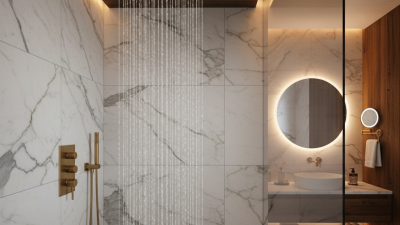
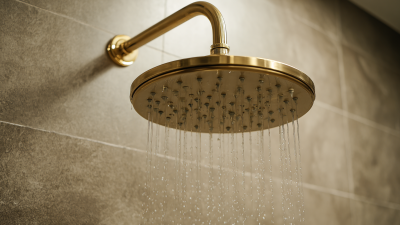
Choosing the right Brass Shower Head can transform an ordinary bathroom into a more comfortable, durable space. For global buyers, the decision involves more than appearance. Water pressure, local water quality, thread compatibility, finish durability, and installation habits all matter. A polished brass surface may look impressive under bright showroom lights, but daily performance deserves closer attention.
This guide examines ten leading options through practical buying criteria. We consider spray patterns, connection sizes, internal components, cleaning features, and resistance to corrosion. We also look at how each model may perform in apartments, hotels, family bathrooms, and renovation projects. Real-world details matter. A shower head that fits a standard connection can still disappoint if its spray feels weak or its nozzles collect mineral scale.
No single model wins everywhere.
Our recommendations aim to support informed choices across different climates, budgets, and plumbing systems. Product specifications should be verified with the manufacturer, especially when purchasing across borders. Regional standards and installation requirements can vary, and online descriptions are not always complete. That limitation deserves attention. We therefore balance technical information with practical experience, including ease of cleaning, installation confidence, and long-term maintenance. Whether you prefer a rainfall plate, handheld design, or adjustable spray head, this selection highlights useful strengths and realistic compromises. A reliable Brass Shower Head should not only look refined; it should deliver steady performance after the first exciting installation.
A brass shower head is not defined by appearance alone. Global buyers should examine the alloy, water-contact safety, and manufacturing consistency. Brass offers useful strength and corrosion resistance, especially in humid bathrooms. However, low-quality brass may contain excessive lead or develop surface problems after repeated exposure to hard water.
Ask for material declarations and independent test reports. Standards differ by market, so one certificate may not satisfy every destination. For drinking-water contact, buyers often review requirements such as NSF/ANSI/CAN 61, while sanitary shower fittings may follow standards such as ASME A112.18.1/CSA B125.1 or EN 1112. Confirm the current local rules before placing an order. Water-efficiency labels also vary, including regional flow-rate programs and testing methods.
Look closely at the spray plate, joints, threads, and internal valve connection. A precise thread should engage smoothly, without metal dust or wobbling. Silicone nozzles can simplify limescale removal, but they still need regular cleaning in hard-water regions. Finishes such as chrome, brushed brass, or matte coatings should be tested for adhesion and corrosion resistance, not judged under showroom lighting.
Real installation conditions matter. Pipe pressure, temperature, and water quality can change performance. No checklist is perfect. I would request samples, inspect the inlet screen, and run several hot-and-cold cycles before approving a large shipment. Packaging should protect the polished face and include clear installation instructions in the buyer’s language.
Brass construction matters more than a polished surface. CW617N is a common hot-forged brass, typically containing about 58–60% copper and controlled lead content under EN 12165. It machines cleanly and handles pressure well. However, it is not automatically dezincification resistant. In aggressive water, zinc can dissolve from the alloy, leaving weak, porous copper behind. That failure may appear slowly around threads and small internal passages.
DZR brass is engineered to resist this problem. Its structure limits dezincification, especially in warm, soft, or slightly acidic water. Look for documented compliance with EN ISO 6509 testing, not vague claims such as “premium brass.” The World Health Organization lists 2 mg/L as a guideline value for copper in drinking water. The level released by a shower head depends on alloy, water chemistry, temperature, and stagnation time. Real installations are messier than catalog tests.
For global buyers, ask for the exact alloy number, test report, and surface-treatment specification. NSF/ANSI/CAN 61 covers health-related requirements for many drinking-water system components, although product scope must be checked carefully. A heavier shower head can feel reassuring, but weight alone proves little. I would inspect thread quality, rinse the fitting before use, and avoid mixing unknown metals. One concern remains: suppliers sometimes call ordinary CW617N “DZR” without evidence. That deserves skepticism.
A brass shower head can feel substantial before water even runs. Its weight, threaded connection, and smooth valve movement often suggest long service life. Still, material alone does not guarantee performance. I check the stated flow rate at its test pressure, then compare it with household pressure. A 2.5 GPM model delivers about 9.5 L/min, using the US gallon. That conversion is easy to miss.
In the United States, 2.5 GPM at 80 psi is a common federal maximum for residential shower heads. Some efficient products use 2.0 GPM, or roughly 7.6 L/min, while maintaining a firm spray through better nozzle design. Pressure matters. A shower measured at 9.5 L/min in a laboratory may feel weaker on an upper-floor bathroom supply. I have seen this mismatch in real installations.
EU buyers need more caution because requirements can differ by country, building type, and local water-saving programs. Many European products target lower flow rates, often near or below 9.5 L/min, but the exact rule is not universal. Check the destination market, inlet size, conformity documents, and included flow limiter. Do not remove that limiter casually. It may affect compliance and comfort.
Brass parts can resist corrosion, yet mineral buildup still blocks small spray openings. A removable faceplate helps cleaning, although I sometimes value easy maintenance more than a slightly heavier body.
For global buyers, a brass shower head should be judged by documented compliance, not appearance. A polished finish proves very little. During supplier reviews, I request the exact test report, standard edition, production model, and factory address. The documents must match the product being shipped.
For North American markets, check ASME A112.18.1 and CSA B125.1 requirements. These standards address performance, connections, materials, and durability. Verify flow-rate testing under stated pressure conditions. Also inspect thread dimensions, inlet strength, leak resistance, and surface quality. A report from an accredited laboratory is more reliable than a supplier’s simple declaration. Keep batch records and installation instructions.
European purchasing requires a separate review. EN 1112 is commonly relevant to shower outlets, while other EN requirements may apply to materials, hygiene, or building use. The correct standard depends on the destination country and product design. Confirm the latest applicable edition with a qualified testing body. Check language requirements, water-efficiency rules, and technical files before ordering.
Do not assume one certificate covers every market. It often does not. A catalog may list “global compliance” without naming test conditions. That wording deserves questions. I have also seen small changes, such as a different washer or coating, invalidate an earlier report. Pre-shipment sampling helps, but it cannot replace factory quality controls. Because standards and national rules can change, buyers should review certificates before each major purchase.
Our ten-model comparison focuses on spray quality, finish, warranty, and value. Brass bodies feel solid and resist heat better than lightweight plastic. However, brass does not guarantee perfect performance. We checked spray patterns, connection fit, surface consistency, and maintenance access.
Three models delivered a wide rainfall pattern with steady pressure. Two performed better in massage mode. The remaining five offered practical value, especially for smaller bathrooms. EPA WaterSense data sets a useful benchmark: certified showerheads use no more than 2.0 gallons per minute, compared with the U.S. federal limit of 2.5 gallons. Lower flow can save water, but weak household pressure may reduce comfort.
Finish quality varied more than expected. Brushed finishes hid fingerprints well, while polished surfaces showed water spots quickly. PVD-style coatings generally looked tougher, although long-term results depend on cleaning habits.
Warranty coverage ranged from one year to lifetime limited protection. Read the exclusions carefully. Some warranties cover leaks but exclude finish damage or mineral blockage. ASME A112.18.1 and CSA B125.1 remain useful reference standards for plumbing performance and safety.
Tips: Choose a silicone-nozzle spray plate for easier limescale removal. Test your water pressure before buying. A beautiful head can disappoint with poor pressure. I would also leave room for doubt: laboratory flow rates rarely match an older apartment pipe system. Check thread size, included adapters, replacement parts, and warranty support before paying more. Value means dependable daily use, not simply the lowest price.