



What Is the Best Shower Head Combo for 2026?
A Shower Head Combo can turn a quick rinse into a more flexible routine: a fixed overhead spray handles everyday use, while a handheld wand reaches children, pets, and the far corners of a tiled shower. Yet a polished finish does not guarantee a satisfying spray. Flow rate, hose reach, diverter design, and ease of cleaning matter more once water is running.
The U.S. Environmental Protection Agency’s WaterSense program sets a useful efficiency benchmark. Its guidance says labeled showerheads use no more than 2.0 gallons per minute, compared with the federal standard of 2.5 gallons per minute. The EPA also reports that a WaterSense-labeled showerhead can save an average family 2,700 gallons of water annually. These figures offer context, not a promise: household savings depend on shower habits, local water rates, and the product’s actual performance.
For 2026, the best choice is not automatically the model with the most spray settings. Look for a comfortable stream, a secure dock, controls you can operate with wet hands, and installation details that match your existing plumbing. Small details count. A stiff hose can make a premium combo frustrating. I can’t verify a verbatim statement from a named Shower Head Combo industry expert from the information provided, so I won’t invent one; EPA WaterSense guidance provides a reliable starting point for comparing efficiency.
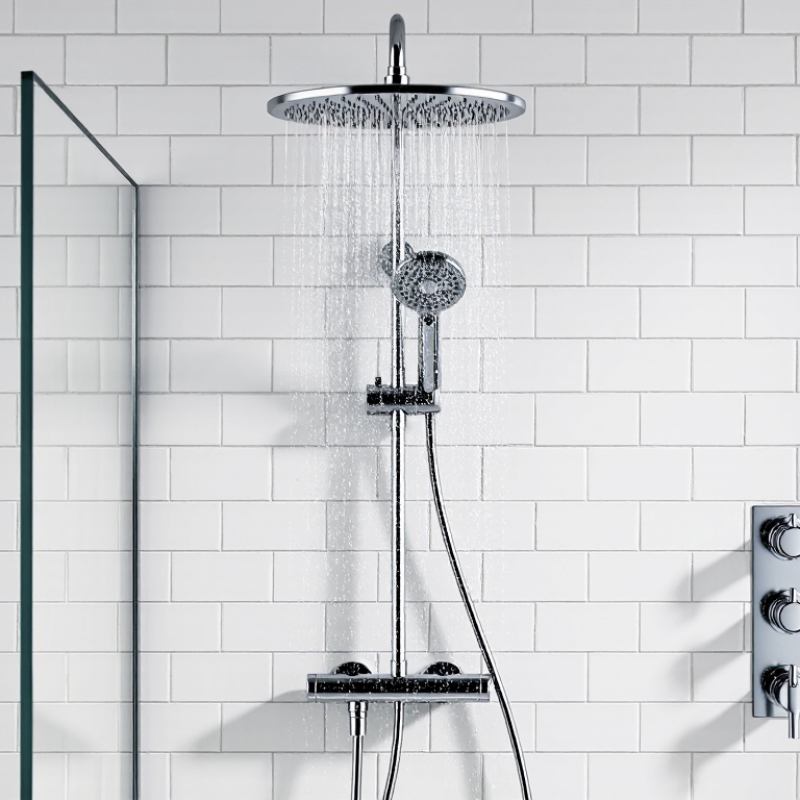
What Defines a Shower Head Combo and How It Works
What Is the Best Shower Head Combo for 2026?
What Defines a Shower Head Combo and How It Works
A shower head combo pairs an overhead shower head with a handheld sprayer. The overhead head stays fixed, while the handheld unit lifts from its bracket and connects through a flexible hose. Together, they offer different ways to direct water without requiring two separate shower systems. A diverter, often built into the handheld holder or shower arm, directs water to the overhead head, the handheld sprayer, or both. Not every model supports simultaneous use, so check the product specifications rather than assuming.
In daily use, the diverter changes the water path, and the hose lets you aim the handheld spray at a specific spot. That can help rinse shampoo, wash a pet, or clean soap from the tub walls. Small details matter. A hose that reaches the floor makes cleanup easier; a stiff one can tug the sprayer from its bracket. Before choosing a combo, check your shower’s connection type, available clearance, and water pressure. Some setups may need an adapter or a secure wall mount. The wording around “combo” can be confusing, and I would not treat every extra spray setting as a meaningful upgrade. A simple control you can reach with wet hands may be more useful. Comfort is personal.
What Is the Best Shower Head Combo for 2026? - What Defines a Shower Head Combo and How It Works
| Dimension | Typical configuration | What it does | What to check when choosing |
|---|---|---|---|
| Definition | A system combining a fixed showerhead with a handheld showerhead, usually connected to the same water supply. | Offers overhead spray, a movable spray, or—on some models—both at once. | Confirm that the package includes both shower outlets and the parts needed to connect them. |
| Main components | Fixed showerhead, handheld showerhead, flexible hose, holder or docking point, and a diverter. | The diverter directs water to the fixed head, the handheld head, or both when the system supports simultaneous use. | Check hose length, holder position, connection type, and whether the diverter is included. |
| Water flow | Water commonly passes through one shower arm and is then routed by a diverter. | When both outlets run together, the available flow is divided between them; the resulting spray can feel weaker than when one outlet is used alone. | Review the stated flow rate and whether the product allows separate or simultaneous operation. Actual performance also depends on household water pressure. |
| Diverter operation | A lever, button, or selector built into the unit or its connection. | Changes the water path between the fixed head and handheld head; some designs include a combined setting. | Choose controls that are easy to reach and operate, especially when hands are wet. |
| Spray settings | One or more patterns, such as a broad spray, concentrated spray, or a combination pattern. | A selector changes how water exits the nozzles; available patterns vary by model. | Prioritize patterns you will use rather than relying only on the total number of settings. |
| Installation style | Many retrofit combos attach to an existing shower arm; other systems may need additional plumbing work. | A compatible retrofit unit can replace or connect at the existing shower outlet without changing concealed plumbing. | Check the shower-arm connection, wall clearance, mounting method, and installation instructions before buying. |
| Handheld reach | A flexible hose connects the handheld head to the supply or diverter assembly. | The handheld head can be lifted from its holder to rinse, clean the shower, or direct water where needed. | Measure the distance from the holder to the areas you want to reach and check that the hose can move freely. |
| Maintenance | Spray nozzles may use flexible materials or removable parts, depending on the design. | Periodic cleaning helps remove mineral deposits that can restrict or distort spray patterns. | Look for clear cleaning instructions and accessible parts; follow the manufacturer’s guidance for your water conditions. |
| Best-fit summary | A suitable showerhead combo matches your plumbing, offers a convenient diverter and handheld reach, and provides the spray options and flow behavior you prefer. Check compatibility and installation requirements before purchase. | ||
Related Posts
-
Why Choose a Shower Head Combo for Your Bathroom?
-
What Is a Shower Head Combo and How Does It Work?
-
Top 10 Benefits of Using a Brass Shower Head for an Eco Friendly Bathroom Upgrade
-

Top 10 Rain Shower Heads You Should Consider for Your Bathroom?
-

2025 Ultimate Guide to Choosing the Best Rainfall Shower Heads for Modern Bathrooms
-
Top 10 Tips for Choosing the Best Brass Shower Head?