Why Choose Modern Rainfall Shower Heads for Global Buyers?
page_banner

Why Choose Modern Rainfall Shower Heads for Global Buyers?

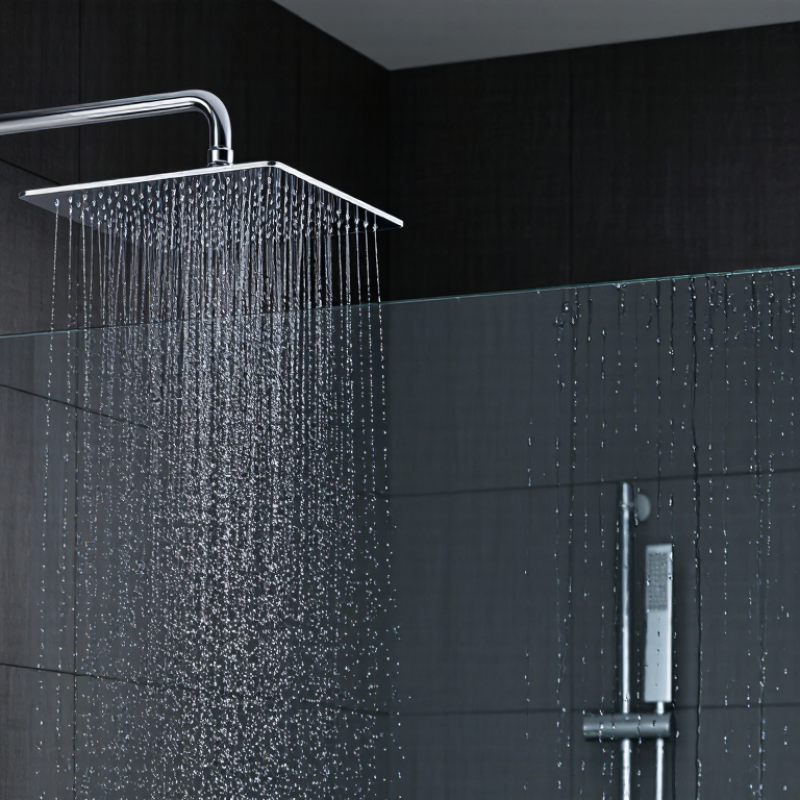
Modern bathrooms are moving beyond basic washing. Buyers now seek comfort, efficient water use, and a refined visual experience. Shower Heads Rainfall Modern designs answer this demand with broad water coverage and a gentle, rain-like flow. Their wide plates can create a calmer shower, especially after a long working day or physical activity.

However, appearance should not decide the purchase alone. Global buyers need to examine spray performance, water pressure requirements, connection sizes, and internal materials. A beautiful stainless-steel finish may still disappoint if the nozzles clog easily or the flow feels weak. Silicone nozzles can simplify cleaning, while corrosion-resistant metal can support longer service in humid bathrooms. Small details matter.

Reliable suppliers should provide clear product specifications, installation guidance, testing information, and honest warranty terms. Buyers should also confirm whether the product suits local plumbing conditions and applicable market requirements. Professional manufacturers often explain pressure ranges, surface treatments, packaging protection, and replacement-part availability. That transparency builds confidence.

No fixture is perfect. Even a premium rainfall head may need regular cleaning, careful installation, or a booster system in low-pressure homes. This is where practical experience becomes valuable. Comparing real product data with actual bathroom conditions helps prevent expensive mistakes. For distributors, hotels, contractors, and homeowners, modern rainfall shower heads can offer lasting value when comfort, engineering, and supplier credibility are considered together. The right choice feels simple. Getting there requires careful questions.

Why Choose Modern Rainfall Shower Heads for Global Buyers?

What Defines a Modern Rainfall Shower Head?

A modern rainfall shower head is defined by more than a wide, polished plate. It creates a gentle, even flow that resembles natural rain. The water should cover the shoulders without striking the skin harshly. In practical testing, soft silicone nozzles help prevent mineral buildup and keep spray patterns consistent. A swivel joint also allows users to adjust the angle easily.

Design matters, but performance matters more. Modern models often use slim profiles, corrosion-resistant metal, and concealed connections. They should work with different water pressures, especially in apartments, hotels, and older homes. For global buyers, checking pressure requirements and thread compatibility is essential. A beautiful shower head can become frustrating if installation needs extra adapters.

Water efficiency is another important feature. A well-designed model can provide a full spray while limiting unnecessary flow. However, “rainfall” does not always mean strong pressure. Some users may prefer a separate hand shower for rinsing shampoo or cleaning the enclosure. That is a practical compromise. Adjustable spray angles, easy cleaning, and reliable temperature control also improve daily use. Yet the word modern is sometimes used too loosely. A shiny finish alone does not prove thoughtful engineering, and a larger plate may feel luxurious but perform poorly with weak water pressure.

How Rainfall Shower Heads Improve the Showering Experience

Rainfall shower heads improve the showering experience by distributing water across a wider area. Instead of narrow jets, water falls like a soft, steady curtain. This can make rinsing shampoo easier and reduce the need to move constantly. The sensation feels calm and spacious. Many users also appreciate less aggressive pressure on the shoulders and scalp. However, comfort depends on personal preference, water pressure, and ceiling height.

For global buyers, practical details matter as much as appearance. A larger head may need stronger water flow to perform well. Homes with weak pressure can produce a thin, disappointing spray. Adjustable spray settings can offer more flexibility. A handheld attachment also helps rinse children, pets, or hard-to-reach areas. Anti-limescale nozzles are useful in regions with hard water, although they still require regular wiping.

Installation should match local plumbing conditions and safety requirements. Check the connection size, mounting method, and available space before purchasing. One common mistake is judging quality by the shower head’s size alone. Materials, internal water channels, and surface maintenance affect long-term performance. I would also question exaggerated claims about saving water. A wide spray can feel efficient, but actual consumption depends on flow rate and shower duration. Small details often decide whether the experience feels luxurious or merely inconvenient.

Key Features Global Buyers Should Compare

Why Choose Modern Rainfall Shower Heads for Global Buyers?

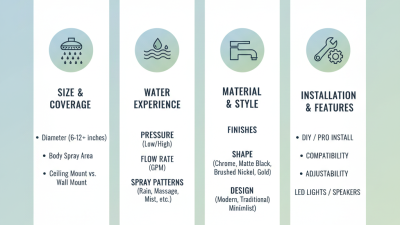
For global buyers, performance should lead the comparison, not appearance. Compare spray diameter, nozzle spacing, water pressure requirements, and flow rate. A larger shower plate can create wider coverage, but it may feel weak in low-pressure homes. Check whether the design supports steady water distribution rather than only a dramatic showroom effect. Small details matter. Silicone nozzles can help remove mineral buildup, especially in hard-water areas. However, they still need regular cleaning.

Material and installation also deserve careful attention. Stainless steel and durable engineering polymers can resist corrosion when properly manufactured. Ask for clear material specifications, testing records, and installation instructions. Thread sizes and pipe connections differ across regions, so compatibility should be confirmed before ordering. Some buyers focus on the finish and forget the ceiling height. That mistake can make a rainfall head uncomfortable for taller users. I once selected a wide model for a compact bathroom, and the spray reached beyond the preferred standing area. The choice looked sensible, but it was not.

Global buyers should compare flow-control features, cleaning access, packaging protection, and warranty terms. Water-saving models may reduce consumption, yet their comfort depends on local pressure. Product documents should state measurable flow data under defined conditions. Independent testing is more dependable than vague claims. Check electrical components carefully if the shower system includes lighting or digital controls. Regional safety requirements may differ, so local compliance evidence is important. A reliable supplier should answer technical questions clearly and provide replacement-part information. Fancy features are easy to notice. Long-term maintenance is easier to overlook.

Installation, Water Use, and Maintenance Considerations

Modern rainfall shower heads can improve comfort, but installation determines performance. Installers often check water pressure before fitting a wide spray plate. Low pressure may create a weak, uneven flow. A reinforced wall connection also matters, especially for heavier ceiling-mounted models. Local pipe threads and adapters may differ between markets, so a qualified plumber should confirm compatibility.

Water use deserves careful attention. The U.S. Environmental Protection Agency’s WaterSense specification limits certified showerheads to 2.0 gallons per minute, compared with the federal 2.5-gallon benchmark. That difference can reduce hot-water demand without removing the rainfall effect.

The International Energy Agency reports that water heating is a major household energy use, although results vary by climate and fuel. A larger head is not automatically wasteful, but poor pressure can encourage longer showers. That weakens the expected savings.

Tips:

  • Measure pressure first.
  • Use a flow bag for one minute.
  • Clean the spray nozzles monthly in hard-water areas.

The WHO and UNICEF Joint Monitoring Programme reported that 2.2 billion people lacked safely managed drinking water in 2022, so efficiency is not only a household concern. I would still avoid promising exact savings. Family habits, heater settings, and mineral buildup can change the result. A practical maintenance check includes leaks, blocked nozzles, loose seals, and unusual temperature changes.

How to Choose the Right Model for Different Markets

Why Choose Modern Rainfall Shower Heads for Global Buyers?

How to Choose the Right Model for Different Markets

Choosing a rainfall shower head starts with local water conditions, not appearance. In project reviews, I have seen attractive models perform poorly under low water pressure. Buyers should check flow rate, inlet size, and pressure requirements before approving a sample. A wide plate creates a gentle, even spray, but it may need stronger supply pressure. Small bathrooms often suit compact models with adjustable angles. Spacious hotel bathrooms can support larger ceiling-mounted designs.

Climate and water quality also affect long-term performance. Hard water can leave mineral deposits around tiny spray nozzles. Easy-clean silicone nozzles reduce maintenance, though they are not maintenance-free. Stainless steel offers strength and corrosion resistance in humid areas. In coastal markets, surface treatment deserves closer testing. A polished finish can still fail when exposed to salt air and poor cleaning habits.

Buyer expectations differ between residential, hospitality, and contractor markets. Some customers value a luxurious water pattern, while others prioritize low consumption and simple installation. Verify local product requirements and packaging standards before placing a large order. Ask for performance data, material details, installation drawings, and replacement parts. Sample testing is essential. One assumption deserves challenge: the most expensive model is not always the most suitable. A reliable mid-range design may serve a market better, especially where repair access is limited.

Why Choose Modern Rainfall Shower Heads for Global Buyers? - How to Choose the Right Model for Different Markets
Target Market Typical Residential Water Conditions Recommended Model Suggested Flow-Rate Positioning Recommended Size and Spray Pattern Key Product Features Compliance and Installation Priorities Main Buying Considerations
United States and Canada Pressure varies by property and municipality. Many homes use standard threaded shower connections, while low-flow requirements are common in water-conscious areas. Water-Efficient Thermostatic Model Offer a low-flow version around 6.8–9.5 L/min and a higher-flow option where local rules permit. Actual flow must be verified at the stated test pressure. 200–300 mm round or square head with full-coverage rain spray and an adjustable wall or ceiling arm. Pressure-compensating flow control, silicone nozzles, easy-clean faceplate, anti-scald temperature control, and a separate hand shower option. Confirm applicable regional water-efficiency requirements, plumbing connection size, backflow provisions, and temperature-limiting requirements before sale. Water consumption, comfortable spray coverage, installation compatibility, warranty expectations, and clear flow-rate labeling.
European Union and United Kingdom Water-saving expectations are strong in many markets. Household systems commonly use metric plumbing connections, and apartment water pressure can vary considerably. Eco Rainfall Model Position the main version at approximately 6–9 L/min, with a clearly identified standard-flow alternative only where permitted by local requirements. 200–250 mm head, wide-angle spray, slim profile, and optional height-adjustable wall arm for renovation projects. Flow limiter, durable stainless-steel or corrosion-resistant construction, anti-limescale nozzles, recyclable packaging, and thermostatic compatibility. Check the applicable national and European product, materials, drinking-water-contact, packaging, and installation requirements for the destination country. Low water use, lifecycle durability, bathroom renovation compatibility, transparent technical documentation, and sustainable packaging.
Australia and New Zealand Water conservation is an important purchasing factor. Residential pressure and connection arrangements differ between houses, apartments, and rural properties. High-Efficiency Pressure-Adaptive Model A practical retail position is approximately 7.5–9 L/min, subject to local water-efficiency rules and verified testing conditions. 200–250 mm head with a focused rain pattern that maintains coverage at moderate pressure. Pressure compensation, flow regulation, durable metal construction, easy-clean spray outlets, and a swivel arm for alignment. Verify local water-efficiency labeling and plumbing requirements. Provide installation instructions that identify minimum pressure and flow conditions. Water rating, performance at moderate pressure, corrosion resistance, replacement parts, and suitability for both new builds and renovations.
Japan and South Korea Bathrooms often prioritize compact layouts, precise temperature control, easy cleaning, and efficient water use. Connection standards and available pressure differ by building. Compact Multi-Function Model Offer a controlled-flow version around 6–9 L/min, with a hand shower or selectable spray mode for flexible daily use. 160–220 mm head with a slim design, concentrated rain spray, and adjustable angle. Soft-touch spray, easy-clean nozzles, compact mounting hardware, thermostatic compatibility, and a hand-shower diverter. Confirm local connection dimensions, pressure range, temperature-control compatibility, and required product documentation for the destination market. Space efficiency, quiet operation, precise control, hygienic materials, simple maintenance, and premium finish quality.
Southeast Asia Water pressure can range from stable municipal supply to variable apartment, rooftop-tank, or pump-fed systems. Hot and humid conditions increase corrosion concerns. Pressure-Tolerant Dual-Mode Model Use a flexible range of approximately 7–12 L/min, with a pressure-adaptive option for low-pressure homes and a shut-off or diverter control. 200–300 mm head with adjustable spray intensity and a hand shower for rinsing and cleaning. Corrosion-resistant finish, anti-clog silicone outlets, pressure tolerance, robust diverter, tool-friendly installation, and replaceable washers. Test the product across the intended pressure range and specify maximum operating pressure, minimum working pressure, and connection type. Performance under variable pressure, resistance to humidity and mineral deposits, value for money, installation simplicity, and spare-part availability.
Middle East Hard water, high ambient temperatures, and pumped water systems are common considerations. Residential pressure may be higher than in gravity-fed systems. Hard-Water Resistant Premium Model Offer approximately 9–12 L/min where local regulations permit, with a controlled-flow alternative for water-efficient projects. 250–350 mm head with broad coverage, reinforced arm options, and adjustable mounting for large shower areas. Anti-limescale nozzles, corrosion-resistant stainless steel, high-temperature tolerance, pressure-rated components, and accessible filter screens. Verify maximum pressure and temperature ratings, local plumbing connections, water-contact material requirements, and compatibility with booster pumps. Mineral-deposit resistance, long-term finish stability, high-pressure performance, premium appearance, and ease of cleaning.
Latin America Water pressure and supply consistency vary widely. Some properties depend on rooftop tanks, booster pumps, or intermittent municipal supply. Versatile Retrofit Model A practical range is approximately 8–12 L/min, with a low-pressure version and a separate hand shower for better functional flexibility. 200–250 mm head with adjustable angle, moderate spray density, and wall-mounted retrofit accessories. Universal-style adapters, pressure-tolerant cartridge and diverter components, anti-clog nozzles, durable finish, and clear installation guides. Confirm local thread standards, available pressure, maximum operating pressure, electrical separation where applicable, and regional labeling requirements. Easy retrofit installation, reliable operation during pressure changes, maintenance cost, local serviceability, and accessible replacement components.
Hotels and Hospitality Projects Worldwide Commercial projects prioritize repeat-use durability, consistent guest experience, maintenance efficiency, and compatibility with centralized hot-water systems. Commercial Heavy-Duty Model Select a project-specific flow rate, commonly around 6–10 L/min for efficiency-focused installations, subject to local codes and design calculations. 200–300 mm head with uniform spray distribution, serviceable components, and ceiling or wall-mount options. Replaceable flow regulator, robust stainless-steel body, anti-vandal fasteners where needed, easy-clean outlets, and standardized spare parts. Coordinate with the project engineer on pressure balancing, thermostatic valves, temperature limits, hygiene procedures, local plumbing codes, and water-efficiency targets. Total cost of ownership, cleaning time, service access, spare-part continuity, consistent performance, and documented installation testing.
Technical note: Flow-rate figures are indicative selection ranges rather than universal legal limits. Final specifications should be verified at the manufacturer’s stated test pressure and against the plumbing, water-efficiency, material, and safety requirements of the destination market.