Ultimate Guide to Choosing the Best Over Head Shower for Your Bathroom
When it comes to transforming your bathroom into a personal oasis, the choice of fixtures plays a crucial role, and among them, the over head shower stands out as a popular option for modern bathrooms. With an array of styles, functionalities, and designs available on the market, selecting the right over head shower can seem daunting. However, making an informed decision can significantly enhance your daily shower experience, providing not just practicality but also an element of luxury.
In this ultimate guide, we will explore the various factors to consider when choosing the best over head shower for your space. From size and water pressure to style and installation requirements, each aspect plays a vital role in ensuring that your selection meets both your aesthetic preferences and functional needs. Whether you're looking for a rain showerhead for a spa-like experience or a straightforward model for everyday use, understanding your options will empower you to make the best choice for your bathroom renovation or upgrade. Let's dive deeper into the world of over head showers and discover how to find the perfect fit for your sanctuary.
Understanding the Different Types of Over Head Showers Available
When selecting the perfect overhead shower for your bathroom, it’s essential to understand the various types available on the market. The main categories include
fixed, handheld, and rain showers.
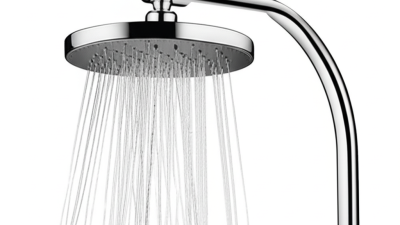
Fixed overhead showers are typically mounted to the ceiling and provide a stationary, consistent flow of water, making them an excellent choice for those who enjoy a traditional shower experience.
Handheld showers offer more versatility, allowing users to direct the water flow where needed, which can be particularly beneficial for families or individuals with mobility issues.
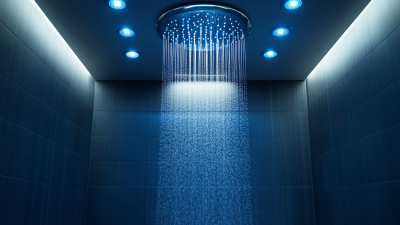
Rain showers, designed to emulate a gentle rainfall, are mounting options that provide an enveloping experience, often favored for their luxurious feel.
According to a recent industry report by Grand View Research, the global shower head market is projected to reach
$8.1 billion by 2025, highlighting an increasing consumer interest in high-quality and innovative shower solutions. Choosing the right type of overhead shower can enhance both functionality and aesthetics in your bathroom, making it a critical decision in your home improvement journey.
Tips: When selecting your overhead shower, consider the water pressure in your home. A rain shower may require higher water pressure to function effectively, while a fixed or handheld shower can operate well under lower pressure conditions. Additionally, look for options that include
water-saving features; this not only contributes to environmental sustainability but also reduces your utility bills over time. Lastly, ensure that the height and angle of the shower can be adjusted for maximum comfort and usability.
Key Features to Consider When Selecting an Over Head Shower
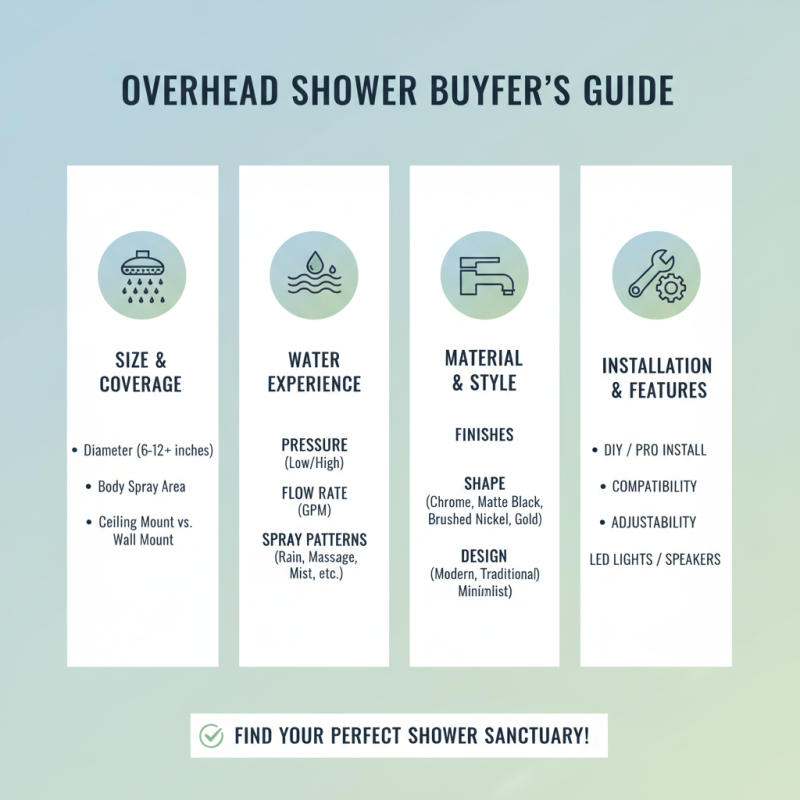
When selecting the best overhead shower for your bathroom, several key features should be at the forefront of your decision-making process. One crucial aspect is the water flow rate, which directly impacts your shower experience and water consumption. According to industry standards, an optimal flow rate for overhead showers ranges between 2.0 to 2.5 gallons per minute (GPM). Showers with lower flow rates can promote water conservation without sacrificing performance, thus appealing to environmentally conscious consumers.
Another essential consideration is the showerhead design and functionality. Modern overhead showers come with various spray patterns, such as rain, mist, or massage settings, catering to different preferences. A survey by the Showering Industry Association found that 68% of users prioritize adjustable spray modes, indicating the demand for versatility in shower experiences. Additionally, ease of installation and maintenance should not be overlooked, with many consumers favoring systems that allow for quick installation without professional help, thus saving both time and costs.
Lastly, the material and finish of the showerhead also play a significant role in durability and aesthetic appeal. High-quality materials, such as stainless steel or brass, not only enhance longevity but also resist tarnishing and corrosion, which are common issues in bathroom fixtures. According to the National Kitchen and Bath Association, 75% of buyers now prioritize quality materials to ensure their bathroom fixtures withstand daily use while maintaining a stylish appearance. With these features in mind, you can make an informed decision that enhances both functionality and design in your bathroom.
Material Choices: Which Finish is Right for Your Bathroom?
When it comes to selecting the perfect overhead shower for your bathroom, the choice of material and finish can significantly influence both aesthetics and functionality. A recent report by the National Kitchen & Bath Association highlights that nearly 70% of homeowners prioritize finish choices based on their bathroom's overall design theme, indicating that material selection is not just about durability but also about enhancing the visual appeal of the space.
Stainless steel is a popular choice for overhead showers due to its resistance to corrosion and easy maintenance; data from industry experts suggest that showers made of stainless steel can last up to three times longer than those made of plastic or other less resilient materials. On the other hand, polished chrome remains a timeless favorite—its reflective surface can create a sense of space and light, vital in smaller bathrooms. Furthermore, matte black finishes have surged in popularity, appealing to those looking for a bold statement piece; a survey found that 35% of new bathroom designs feature dark finishes for a contemporary, elegant touch.
When considering materials, it's essential to balance style with performance. Brass, known for its robust properties, resists rust and offers a classic look. According to recent trends, fixtures made of high-grade brass are expected to increase in market share by 25% over the next five years, reflecting a shift towards long-lasting quality in bathroom decor. Ultimately, the right finish not only complements your bathroom's design but also enhances your daily shower experience.
Ultimate Guide to Choosing the Best Over Head Shower for Your Bathroom - Material Choices: Which Finish is Right for Your Bathroom?
| Material Type |
Finish Options |
Durability |
Maintenance Level |
Price Range |
| Stainless Steel |
Polished, Brushed |
High |
Low |
$100 - $300 |
| Chrome |
Polished, Mirror |
Medium |
Medium |
$50 - $200 |
| Brass |
Polished, Antique |
High |
Low |
$150 - $400 |
| Plastic |
White, Colored |
Low |
High |
$20 - $100 |
| Nickel |
Satin, Brushed |
Medium |
Medium |
$80 - $250 |
Installation Options: Fixed vs. Adjustable Over Head Showers
When considering overhead shower options for your bathroom, one of the primary decisions involves choosing between fixed and adjustable models. Fixed overhead showers provide a sleek and minimalist aesthetic, typically mounted directly on the ceiling or the wall. They deliver a consistent and invigorating water flow, making them ideal for those who prefer a straightforward shower experience. The elegant design of fixed showers can enhance the overall look of your bathroom, providing a modern touch that merges functionality with style.
On the other hand, adjustable overhead showers offer added versatility and comfort. These showers can be customized in terms of height and angle, which is particularly beneficial in households with multiple users of varying heights. An adjustable overhead shower allows for a more personalized experience, enabling users to change the direction of the water flow according to their preferences. This flexibility can also accommodate showering tasks such as rinsing hair or cleaning, making it a practical choice for families. Ultimately, your decision will depend on your specific needs and aesthetic preferences, taking into account the layout of your bathroom and how different styles of overhead showers can complement your space.
Maintaining Your Over Head Shower for Longevity and Performance
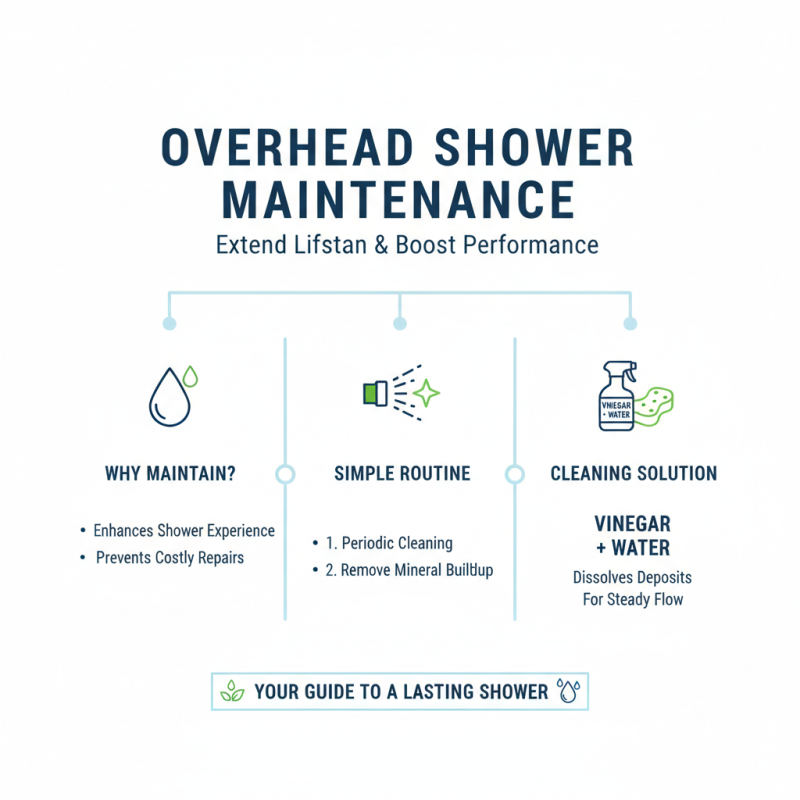
Maintaining your overhead shower is essential for ensuring its longevity and optimal performance. Regular upkeep not only enhances your shower experience but can also prevent costly repairs down the line. A simple yet effective maintenance routine includes periodic cleaning to remove mineral buildup from the showerhead, which can impede water flow. Utilizing a mixture of vinegar and water can help dissolve these deposits, ensuring a steady spray for your showers.
Tip: To extend the life of your overhead shower, consider checking and replacing any worn-out parts like washers or seals. This can prevent leaks and save water, which is better for both your wallet and the environment. Additionally, be mindful of the water pressure in your bathroom. Excessively high pressure can cause wear and tear on the fittings and connections, so installing a pressure-regulating valve may be beneficial.
Another critical aspect of maintenance is to regularly inspect for any signs of rust or corrosion, especially if you have a metal showerhead. Use a soft cloth to gently clean the surface and prevent scratches. Keeping the shower area well-ventilated will also help to minimize moisture build-up, reducing the likelihood of mold and mildew formation, which can damage your shower unit over time.