2026 How to Choose the Best Over Head Shower for Your Bathroom?
When selecting the best Over Head Shower for your bathroom, understanding industry standards and consumer preferences is critical. According to a report by Market Research Future, the global shower market is expected to grow significantly, driven by innovative designs and consumer demand for luxurious bathing experiences. In 2022, 38% of surveyed homeowners prioritized upgrades to their bathroom fixtures, with Over Head Showers being a popular choice due to their spa-like appeal.
Choosing the right Over Head Shower involves considering various factors, including water efficiency and style. The Environmental Protection Agency (EPA) notes that high-efficiency showerheads can reduce water use by up to 20%. This not only benefits the environment but also lowers utility bills. However, buyers often encounter a range of designs that can overwhelm their decision-making process. It's essential to balance personal preference with practical features.
As you weigh your options, reflect on your specific needs. Ideal shower experiences vary between users. A feature that works well for one might not suit another. The journey to find the perfect Over Head Shower involves both practical considerations and personal reflections on your bathing preferences. Engaging with professional reviews and consumer feedback can provide valuable insights, enhancing your final choice.
Choosing Between Fixed and Handheld Overhead Showers: Key Considerations
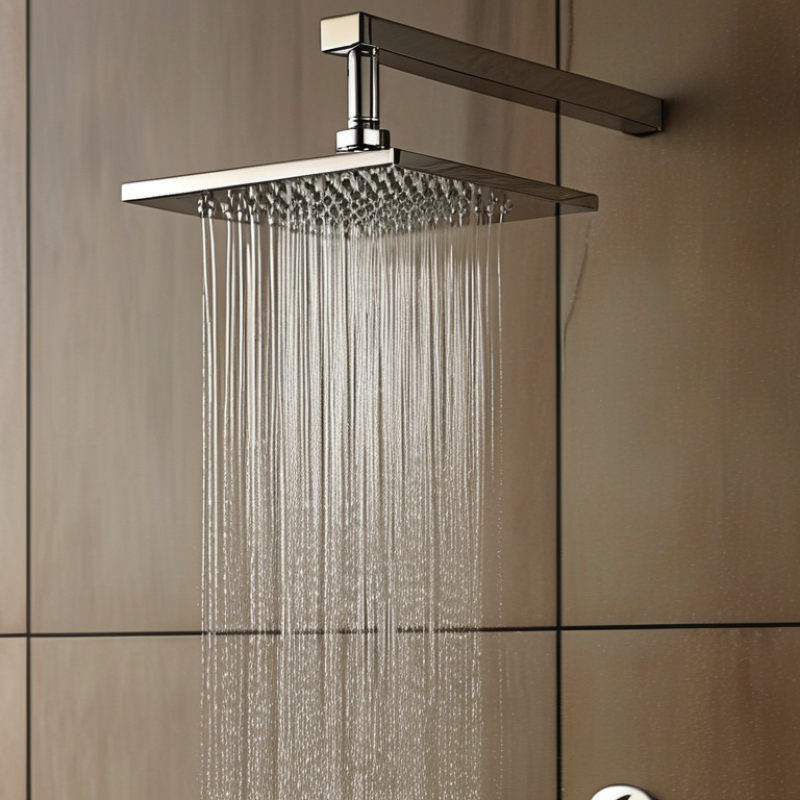
When choosing between fixed and handheld overhead showers, consider your daily routines. Fixed showers are convenient. They offer a consistent, luxurious experience. Ideal for people who enjoy a steady stream of water, they can enhance relaxation during showers. However, they might lack flexibility.
Handheld showers provide versatility. They allow you to direct water exactly where you need it. This feature is beneficial when bathing children or cleaning the shower area. A handheld option can make your shower experience more personal and convenient.
Tips:
- Think about your bathroom size. A fixed shower may suit larger bathrooms, while a handheld is great for smaller spaces.
- Evaluate water pressure. Handheld showers sometimes deliver less pressure than fixed ones, affecting your experience.
- Consider installation. Fixed showers may require professional help, while handheld options are often easier to set up.
Choosing the right overhead shower should reflect your needs. Think about comfort versus functionality. Each option has its strengths and weaknesses. Make a choice that aligns with your
lifestyle and
preferences.
Understanding Showerhead Flow Rates: Impact on Water Usage and Pressure
When selecting an overhead shower, understanding flow rates is crucial. Flow rates determine how much water your showerhead uses. This affects both your water bill and the quality of your shower experience. A flow rate of 2.5 gallons per minute (gpm) is common, but many options offer lower rates. These may save water but can result in less pressure.
Water pressure can vary greatly. If your home has low water pressure, a low flow rate showerhead can feel inadequate. It’s essential to balance water savings with shower performance. Some high-efficiency models boost pressure while using less water. However, these may not always be available, and sometimes the pressure remains lower than desired.
**Tips:** Test water flow before purchasing. A simple test with a bucket can show how many gallons your current showerhead uses. Consider adjustable showerheads too. They allow you to tweak the flow rate depending on your needs. Lastly, always check reviews for insights on pressure performance. Sometimes, firsthand experiences reveal imperfections that specifications cannot.
Material Types for Overhead Showers: Stainless Steel vs. Plastic
When selecting an overhead shower, choosing the right material is crucial.
Stainless steel and
plastic are the two primary options.
Stainless steel showers are durable and resistant to rust. They offer a modern, sleek appearance that enhances any bathroom.
On the other hand, plastic showers are lightweight and often more affordable. They come in various designs and colors, making it easier to match your bathroom decor.
Yet, they may not have the same longevity as stainless steel. Over time, plastic can become discolored or brittle.
Tips: Consider your water quality; hard water can affect both materials.
Regular cleaning is essential to maintain appearance. Selecting the right showerhead may also depend on your personal preference for water pressure and spray patterns.
Think about the long-term implications of your choice, as comfort and durability are vital.
Remember, the material not only affects aesthetics but also your daily shower experience.
Evaluating Showerhead Spray Patterns: From Rainfall to Massage Options
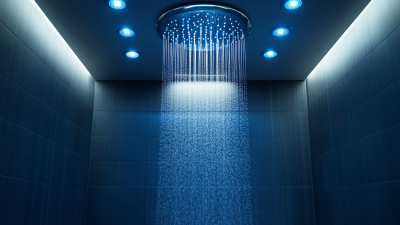
When selecting an overhead shower, one must consider spray patterns carefully. Different spray options can alter the showering experience profoundly. For example, rainfall showerheads simulate a gentle downpour. This type often features wider nozzles, causing water to cascade softly over the body. According to industry data, 65% of homeowners prefer rainfall designs for their relaxing quality.
Massage showerheads offer pulsating sprays. They can rejuvenate sore muscles and provide a therapeutic experience. Many find these settings beneficial after physical activities. Studies show that approximately 28% of consumers report improved well-being with massage sprays. However, this choice may lead to a less water-efficient experience. This is crucial if you're mindful of water usage.
Adjustable showerheads provide versatility. Users can switch between various spray patterns. Some settings may combine a light drizzle and a strong pulse. This flexibility is appealing, particularly for households with diverse preferences. However, choosing too many options can overwhelm. Not all families enjoy the various settings. Personal preferences greatly influence the best choice. Each shower experience should cater to individual needs. Consider what truly enhances your routine.
2026 How to Choose the Best Over Head Shower for Your Bathroom? - Evaluating Showerhead Spray Patterns: From Rainfall to Massage Options
| Spray Pattern |
Water Flow Rate (GPM) |
Best For |
Features |
| Rainfall |
2.5 |
Relaxation, Full Body Coverage |
Wide Coverage, Soft Spray |
| Massage |
2.0 |
Muscle Relief, Targeted Pressure |
Adjustable Spray, Pulsating Action |
| Mist |
1.8 |
Light Refreshing Spray |
Fine Droplets, Gentle Experience |
| Combo |
2.5 |
Versatility, Different Preferences |
Multiple Settings, Customizable Experience |
| Spray |
2.2 |
Quick Rinse, Everyday Use |
Strong Jet, Efficient Water Use |
Importance of Shower Height Adjustability: Ensuring Comfort for All Users
When selecting an overhead shower, height adjustability is crucial. Showers should cater to different users. Families often have varying heights. A fixed showerhead may not serve everyone equally. Adjustable models allow flexibility for adults and children alike. This feature can prevent discomfort for shorter users. It ensures an enjoyable experience for all, enhancing overall satisfaction.
Consider the ease of adjustment. Many showers come with simple mechanisms. Check for sturdy brackets or glide systems. A smooth operation is essential to avoid frustration. You want a shower that’s user-friendly for everyone. Ensure you can adjust the height quickly, even when wet.
Another factor to think about is the ceiling height. Standard installations might not fit your needs. If your bathroom has high ceilings, a longer arm extension could be beneficial. This ensures the water flows at an optimal height. In rooms with low ceilings, a compact design might be needed. Choose a model that fits your space, enhancing comfort while maintaining functionality.