Why Choose Plastic Shower Options for Your Bathroom Needs?
When considering bathroom renovations, many homeowners explore various materials for their showers. Plastic showers have gained popularity for several reasons. They offer durability and versatility, making them a solid choice for any bathroom design.
Plastic showers come in a variety of styles and colors. This flexibility allows homeowners to find the perfect match for their decor. The lightweight nature of plastic makes installation easier than heavier materials. This can save both time and labor costs. Additionally, plastic showers are resistant to mold and mildew, which is crucial in a damp environment.
Despite their advantages, some may question the overall quality of plastic showers. It's essential to choose high-quality options from reputable manufacturers. Some lower-end plastic may not hold up as well over time. Researching brands is vital to ensure a reliable choice. Ultimately, plastic showers can meet diverse needs, providing practicality and style for your bathroom.
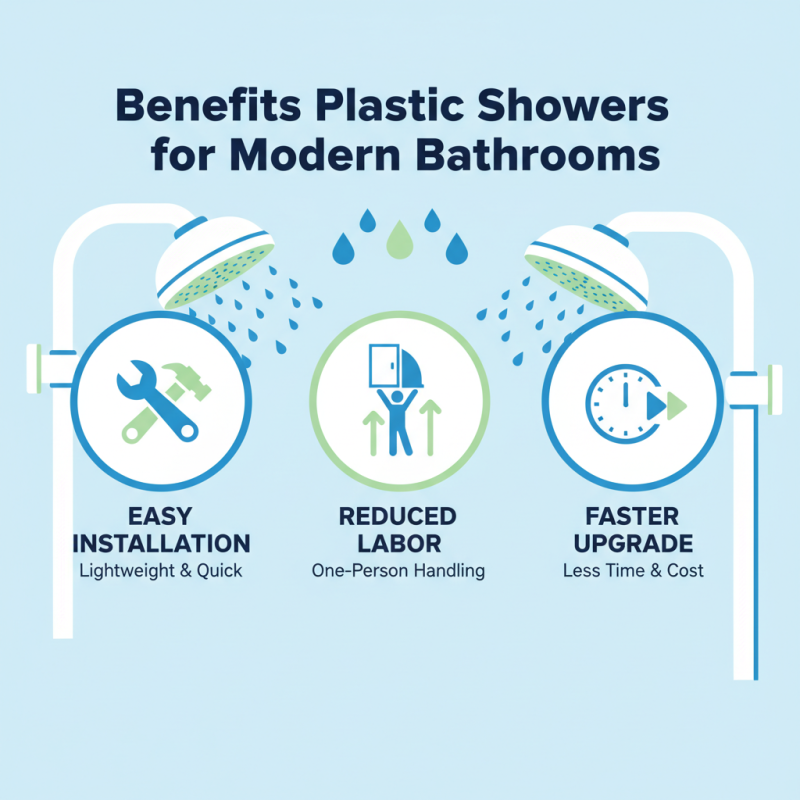
Benefits of Plastic Showers for Modern Bathrooms
Plastic showers offer several advantages for modern bathrooms. They are lightweight and easy to install. This makes them a popular choice for homeowners looking to upgrade quickly. Unlike heavier materials, plastic can often be handled by one person. This reduces labor costs and installation time.
Durability is a key benefit. Plastic is resistant to mold and mildew, making it an ideal choice for damp environments. It does not rust or chip easily, ensuring a long lifespan. Additionally, many plastic showers come in a variety of colors and designs. This allows for customization in any bathroom decor.
However, some may question the aesthetic appeal of plastic compared to tiles or glass. The surface may lack the same luxurious feel. Maintenance can sometimes be an issue, as scratches can occur. Nevertheless, with regular care, plastic showers can remain visually pleasing. Homeowners must weigh these factors to decide if plastic showers meet their needs.
Durability and Maintenance of Plastic Shower Options
Plastic shower options are gaining popularity due to their durability and ease of maintenance. These materials resist cracking and chipping, making them long-lasting choices for bathrooms. Plastic is lightweight, reducing the strain during installation. Its non-porous surface is also advantageous, as it does not harbor mold like some traditional materials.
When it comes to maintenance, plastic showers require minimal effort. A simple wipe with a damp cloth can keep them looking new. For tougher stains, a mild cleaner usually does the trick. However, avoid abrasive scrubbers, as they can dull the finish. Regular maintenance helps maintain their appearance over time.
**Tip:** Use a squeegee after each shower to prevent water spots.
Consider the aesthetics when choosing your plastic shower. Various designs and colors are available. You can select options that mimic the look of tile or stone. This versatility allows you to personalize your space. Be mindful, though; some finishes may show scratches more easily than others. Take time to evaluate your choices carefully.
**Tip:** Test samples in your bathroom's lighting before deciding.
Why Choose Plastic Shower Options for Your Bathroom Needs?
| Feature |
Description |
Advantages |
Maintenance |
| Durability |
Plastic showers are resistant to cracking and fading over time. |
Long-lasting, withstands heavy usage. |
Easy to clean, require no special products. |
| Water Resistance |
Non-porous surface prevents water damage. |
Hygienic, reduces mold and mildew growth. |
Minimal upkeep needed. |
| Weight |
Lightweight material makes installation easier. |
Less strain during installation. |
Simplicity in transport and handling. |
| Variety |
Available in many colors and styles. |
Customization to match any decor. |
Easy updates for aesthetic changes. |
Cost-Effectiveness of Plastic Shower Solutions
Choosing plastic shower options can be a savvy decision for many homeowners. One major factor that stands out is cost-effectiveness. Plastic shower solutions typically come at a lower price than traditional materials. This price difference enables homeowners to stay within budget while still achieving a stylish look.
In addition to initial costs, plastic showers are often less expensive to install. They are lighter than heavier materials, making transportation easier and installation quicker. This efficiency can save both time and labor costs. Furthermore, plastic materials resist moisture well, reducing the need for long-term maintenance expenses. A focus on durability ensures that these showers can withstand daily use without significant wear and tear.
Of course, there are considerations to ponder. Some may question the long-term performance of plastic compared to glass or tile. In high-end installations, plastic might not have the same appeal or status. Buyers must weigh the pros and cons based on their specific needs. This reflection on practicality versus aesthetics can guide them toward a satisfactory decision.
Design Versatility and Aesthetic Appeal of Plastic Showers
Plastic showers offer remarkable design versatility and aesthetic appeal for modern bathrooms. Their lightweight nature makes installation simpler and quicker compared to traditional materials. You can find various styles, colors, and patterns that fit different interior designs. They can mimic stone textures or vibrant colors, adding a unique touch to any space.
With plastic showers, homeowners can easily change the look of their bathrooms. For instance, a translucent finish can create an open and airy feeling. Some designs reflect light beautifully, enhancing the overall ambiance. It’s important to note, however, that while they are stylish, over time, they might show wear. Regular cleaning is essential to maintain their appearance.
Aesthetics aside, consider practical factors too. Plastic is less prone to cracking, making it a safer choice for families. Yet, one must ensure proper ventilation to avoid moisture build-up. Balancing beauty with functionality is crucial. Choosing the right plastic shower can transform your bathroom into a relaxing sanctuary.
Why Choose Plastic Shower Options for Your Bathroom Needs?
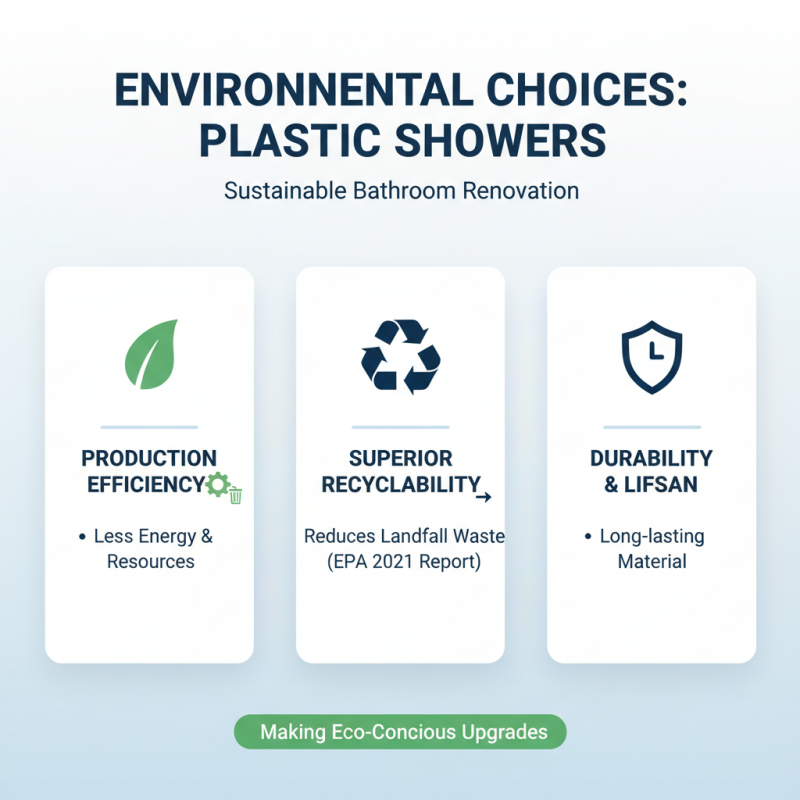
Environmental Considerations of Choosing Plastic Showers
When considering bathroom renovations, the choice of materials is crucial, particularly regarding sustainability. Plastic showers are increasingly favored for their production efficiency and durability. According to a 2021 report from the Environmental Protection Agency (EPA), plastic can be recycled more effectively than many traditional materials. This attribute plays a vital role in reducing overall waste in landfills.
However, it's important to reflect on the environmental implications of plastic use. Not all plastics are created equal; some types can have adverse effects during manufacturing. Studies suggest that up to 30% of plastic waste ends up in oceans, harming marine life. This raises concerns about the full lifecycle of plastic products.
Moreover, the production of plastic showers typically requires less water and energy compared to ceramic options. Research indicates that manufacturing plastic showers consumes 50% less energy, making them a more efficient choice when viewed from an energy consumption perspective. Yet, the challenge remains in ensuring that these products are made from recycled materials, which can further reduce environmental impacts.