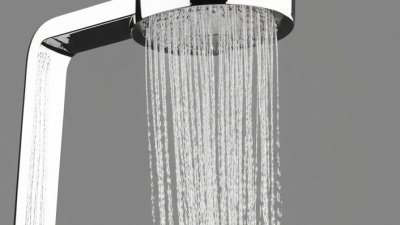
What is the Best Shower Head Set for Home Use?
In recent years, the demand for high-quality shower head sets has surged in the home improvement market. According to a report by Grand View Research, the global shower head market is projected to reach $4.78 billion by 2025, growing at a CAGR of 5.2%. This growth highlights the increasing importance consumers place on their bathing experience. A well-designed shower head set can enhance water pressure, provide efficient flow rates, and improve overall comfort.
When selecting a shower head set, factors like material, design, and water-saving technology play a crucial role. Many buyers prioritize options that not only offer an enjoyable experience but also align with eco-friendly standards. Studies show that low-flow shower heads can reduce water consumption by 30% without sacrificing performance. This balance between luxury and sustainability is increasingly vital for homeowners.
However, not all shower head sets deliver on their promises. Consumers often report disappointment when products fail to match their advertised features. This inconsistency calls for a thorough evaluation before purchase. Investing time in research can help homeowners identify reliable brands and make informed choices that enhance their daily routines. Remember, a great shower head is not just about aesthetics; it’s also about efficiency and experience.
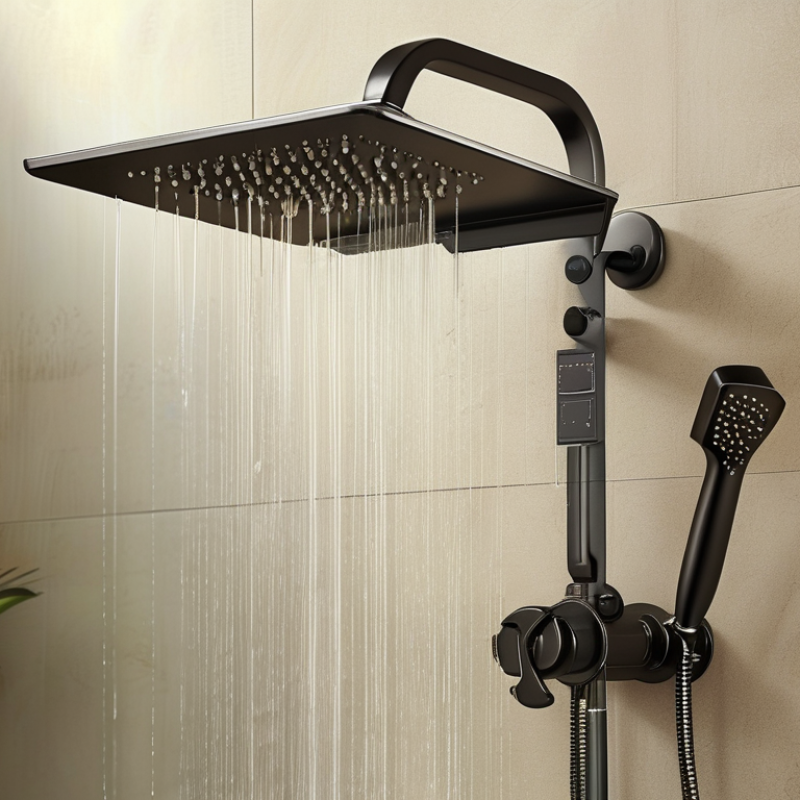
What Features to Look for in the Best Shower Head Sets
When choosing the best shower head set for home use, consider several key features. Water flow rates matter. A shower head that delivers between 2 to 2.5 gallons per minute is ideal for an effective rinse. Additionally, look for adjustable settings. Flexibility allows users to switch between options like a gentle mist or a powerful spray. This caters to different preferences and needs.
Material is another vital aspect. Stainless steel and high-quality plastic resist corrosion and wear. They ensure a longer lifespan and a beautiful finish. Many people also appreciate easy installation. A straightforward design can save time and eliminate the need for professional help. Lastly, consider water-saving features. They conserve water without sacrificing pressure. These elements often reflect a commitment to sustainability. However, it can be difficult to balance performance and eco-friendliness. Make sure to assess the specific needs of your household before making a decision.
Types of Shower Heads: Fixed, Handheld, and Multi-Functional
When considering shower heads for home use, it's essential to explore the options available.
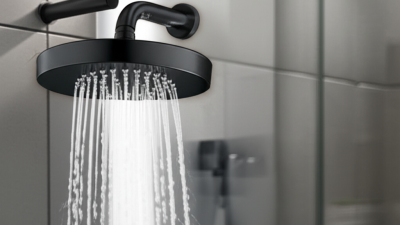
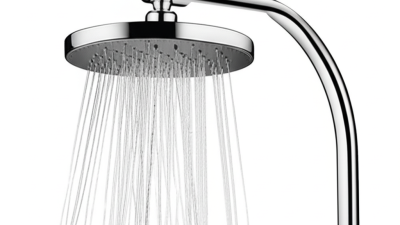
Fixed shower heads are the simplest choice. They mount directly to the wall and provide a steady stream of water.
These heads can be stylish and often come with various spray patterns. However, they lack flexibility.
Handheld shower heads are versatile. They allow you to direct the water exactly where you need it.
This makes rinsing hair easier. Handheld models are also great for cleaning your bathtub. On the downside, they can sometimes be prone to leaks.
Multi-functional shower heads are a blend of both types. They offer the convenience of a fixed mount,
with the added benefit of a detachable handheld option. This flexibility enhances the overall showering experience.
Yet, these models can be more complex, requiring more maintenance.
Tips: Consider your height and shower space when choosing a shower head.
Low ceilings might not work well with tall fixed heads.
Regularly check for calcium buildup, especially in handheld models.
Cleaning them ensures optimal water flow. And remember, functionality doesn’t always mean high prices.
Explore various styles within your budget.
Water Efficiency Standards: Understanding GPM Ratings for Shower Heads
When selecting a shower head set for home use, understanding water efficiency is crucial. GPM, or gallons per minute, directly impacts water consumption. The U.S. Environmental Protection Agency (EPA) states that a standard shower head should have a maximum flow rate of 2.5 GPM. This regulation helps in achieving better water conservation without sacrificing the shower experience. Interestingly, studies reveal that using low-flow shower heads can save households up to 40% on water usage.
Although opting for lower GPM ratings is advisable, some may find their shower experience lacking in pressure. Many manufacturers now blend technology to create models that maintain a strong water flow while sticking to efficiency standards. It's essential to look for shower heads that balance GPM with innovative aeration systems. These systems introduce air into the water stream, enhancing the feeling of pressure without increasing water use.
Tip: Consider installing a flow reducer in your existing shower head. This simple addition can help meet efficiency standards. Another tip is to check for WaterSense certifications. They indicate that the product meets EPA's water efficiency criteria. Remember to focus not just on the initial purchase but also on long-term water savings and environmental impact.
Comparing Materials: Plastic vs. Metal Shower Head Durability
When choosing a shower head set for home use, material choice plays a crucial role in durability. Plastic shower heads are lightweight and often more affordable. However, they typically wear out faster than their metal counterparts. According to industry reports, plastic can degrade over time due to water exposure and mineral buildup, leading to cracks and leaks. Studies indicate that plastic shower heads generally last about 3-5 years.
In contrast, metal shower heads offer enhanced sturdiness. Stainless steel and brass are popular materials known for their resistance to corrosion. Reports show that metal shower heads can last 10-15 years or longer with proper maintenance. They maintain their aesthetic appeal and functionality better over time. Metal is also less likely to harbor harmful bacteria, making it more hygienic.
While metal heads have clear advantages, their initial cost is higher. Consumers may find it harder to justify the expense. However, in the long run, investing in a quality metal shower head could save money on replacements and repairs. It's worth considering the total lifespan and overall value when making a decision.
Durability Comparison of Shower Head Materials
This chart compares the average durability of plastic and metal shower heads. As seen, metal shower heads typically last significantly longer than their plastic counterparts, making them a more durable option for home use.
User Reviews and Ratings: How to Evaluate Shower Head Performance
When evaluating shower head performance, user reviews are invaluable. They reflect real experiences from individuals who have installed these fixtures. Look for common themes in ratings. Some users may praise water pressure, while others might complain about inconsistent flow. Pay attention to these details.
Durability is another key factor. Users often mention how long their shower heads last under daily use. Frequent replacements can be a hassle. Some reviews highlight ease of installation. A complicated setup can discourage many buyers. Simplicity in installation can significantly enhance user satisfaction.
Consider features while evaluating reviews. Many users appreciate adjustable settings. They enjoy choosing between a gentle mist and a powerful spray. However, some might find these adjustments tricky. A good shower head should balance convenience with functionality. Reflecting on user feedback helps identify the best options for home use.
What is the Best Shower Head Set for Home Use? - User Reviews and Ratings
| Shower Head Model |
User Rating (out of 5) |
Spray Settings |
Material |
Price Range |
| Model A |
4.5 |
Rain, Massage, Mist |
ABS Plastic |
$30 - $50 |
| Model B |
4.2 |
Jet, Rain, Combo |
Stainless Steel |
$40 - $70 |
| Model C |
4.8 |
Rain, Powerful, Soft |
Chrome |
$60 - $90 |
| Model D |
4.0 |
Massage, Rain |
Brass |
$35 - $65 |